
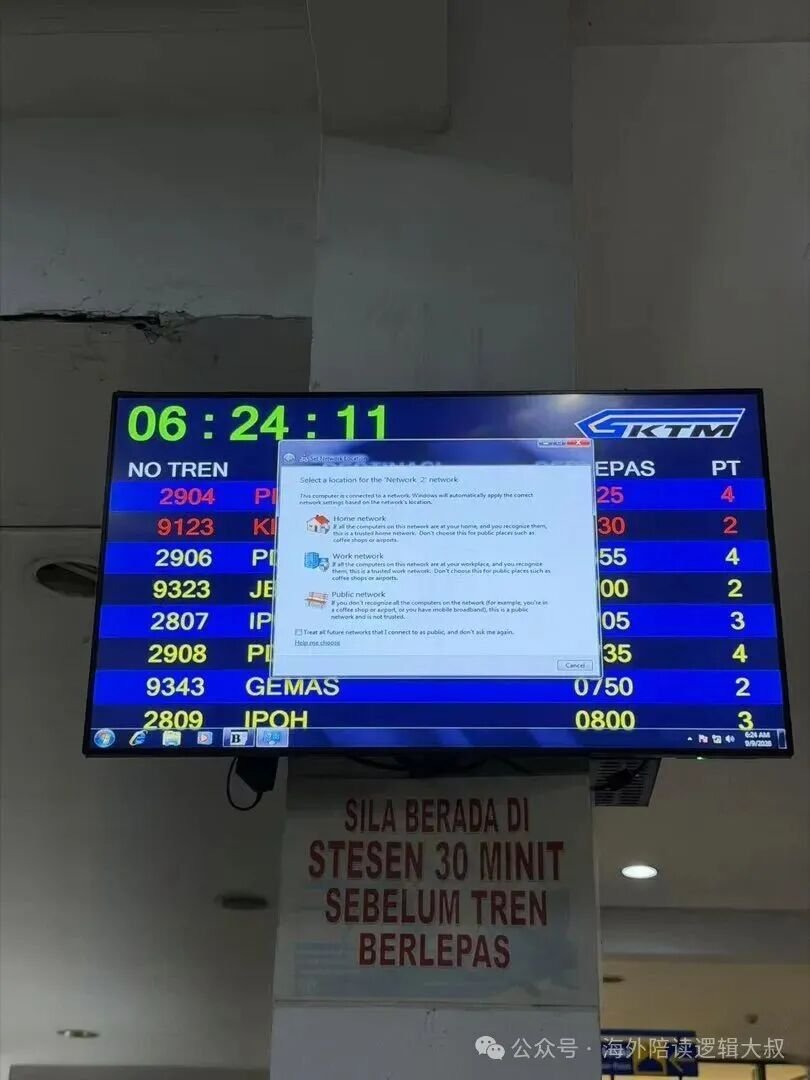
I bought ETS Business Class by mistake, paying RM 158 instead of RM 92, RM 66 more. After the four-hour Kuala Lumpur to Penang run, I think it was worth it. Business Class is not a separate train but one carriage on some Platinum services, so the extra money buys a 1+2 seat, a hot meal and a quieter trip.
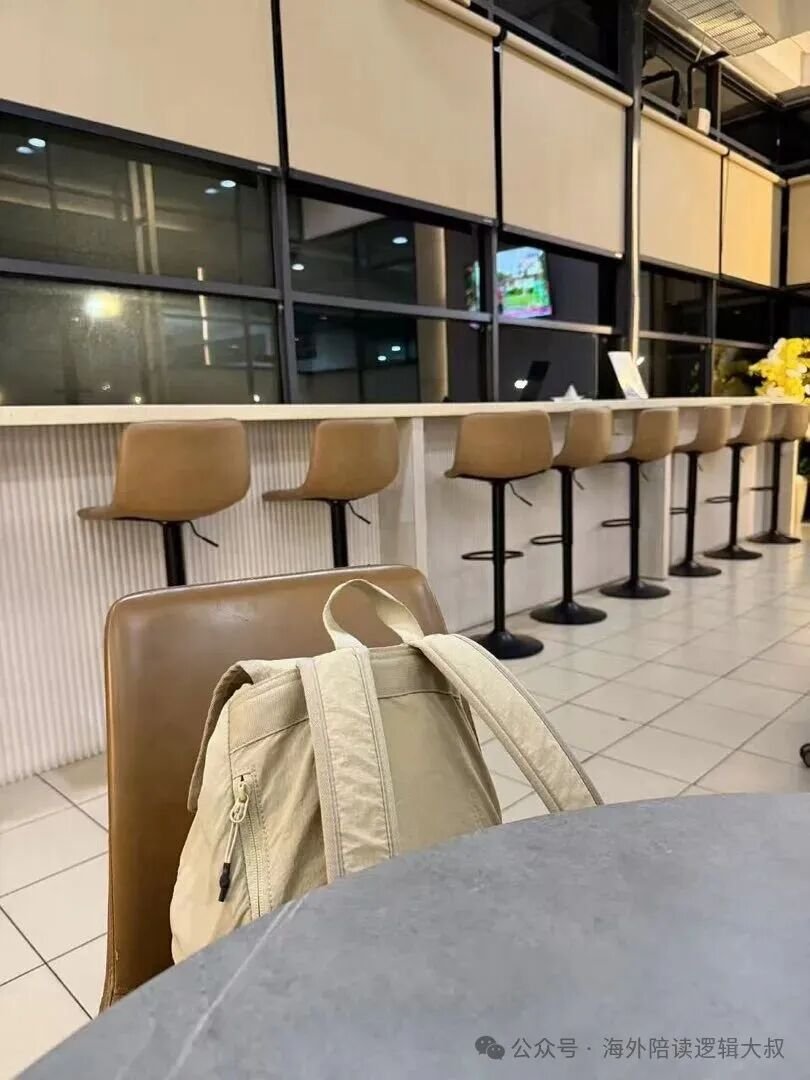
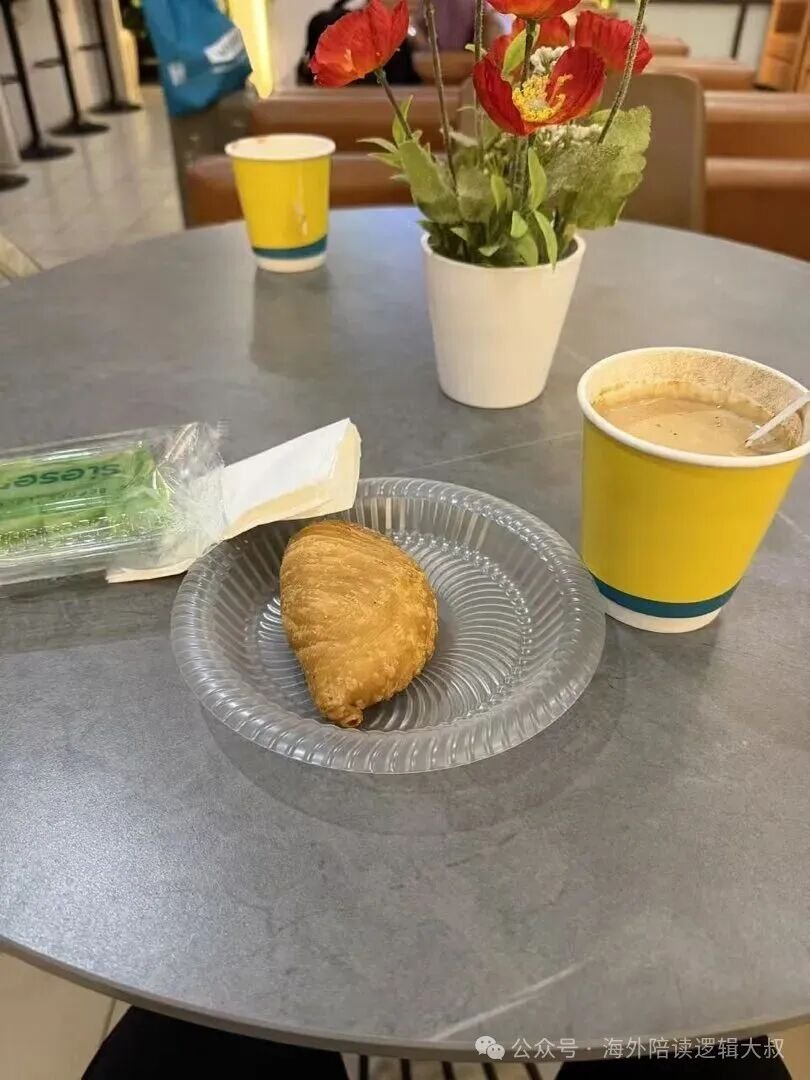
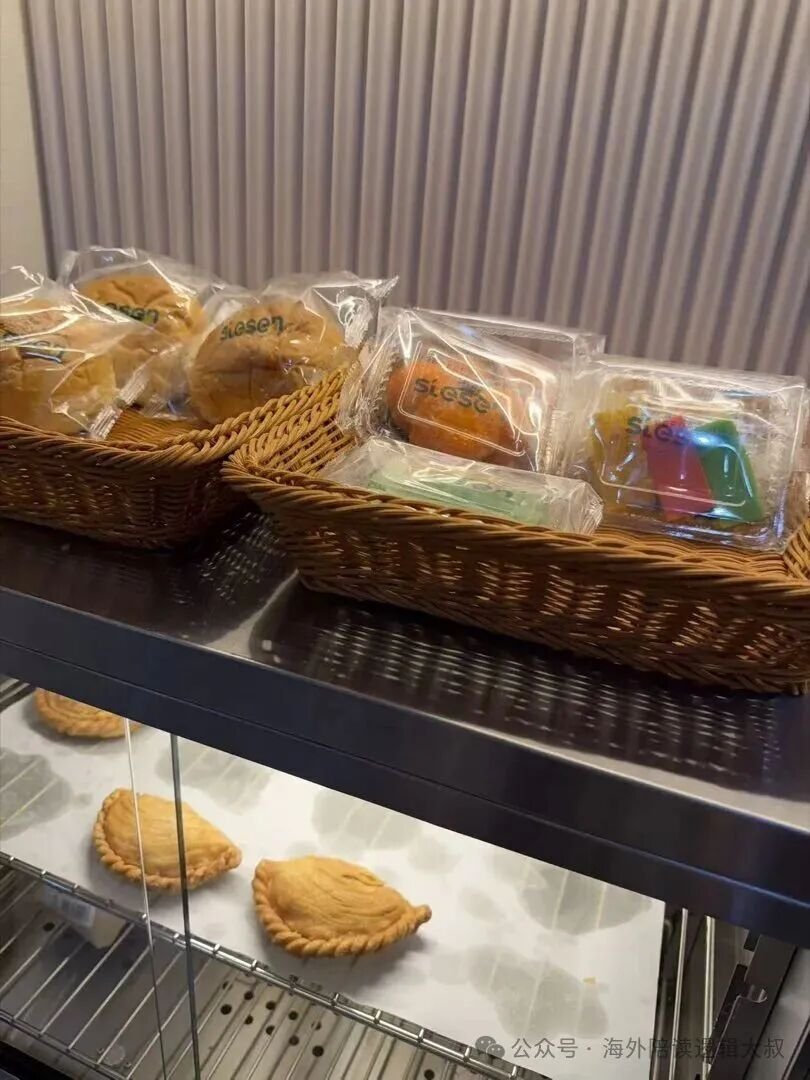
1. A ticket I tapped by mistake: RM66 extra
It happened on a Friday night. I was heading back to Penang from Kuala Lumpur and meant to book the following evening's ETS. My plan was a Platinum standard seat, listed at RM92 that day. Not long after 11pm I was buying on the KTMB app, tapped the class field too fast, and only noticed after payment that the ticket said Business Class, RM158 — RM66 more than I had budgeted.
My first thought was whether I could refund it. My second was: fine, treat it as RM66 spent on finding out. Four hours later my conclusion was that the RM66 bought me far more than the airport taxi fare I had been planning to spend.
The figures here are what I actually paid plus the typical band for each class at the time. ETS uses dynamic pricing similar to airlines, so the same route can differ a lot by date and departure. Go by what the official KTMB website or KTM app shows when you book.
2. Business vs standard: the differences in one table
First, the classes. On the Kuala Lumpur to Butterworth run you will usually see Silver, Gold and Platinum. Business Class is not a separate train; it is one coach — normally Coach A — attached to selected Platinum services.
| Class | Typical one-way fare | Seating layout | Journey time | Included |
|---|---|---|---|---|
| Silver | RM35-45 | 2+2 | About 4h 40m | No meal, most stops |
| Gold | RM59-86 | 2+2 | About 4h 15m | Mostly no meal |
| Platinum (standard) | RM79-112 | 2+2 | About 3h 55m | Major stops only, sometimes a snack |
| Business | RM150-210 | 1+2 | About 3h 55m | Hot meal, snack box, drinks, station lounge |
Which means Business Class and Platinum standard travel on the same train at the same time; the difference is inside the carriage. That matters: what you pay for is not speed, it is how the four hours feel.
A six-coach set has only one business coach, holding roughly thirty-odd seats. That is why I could still get a ticket that day while standard class had sold out — there are few of them, and they go quickly.
3. Before boarding: the lounge and priority boarding
A Business Class ticket departing from KL Sentral includes access to the Ruby Lounge on the upper concourse. You enter with the QR code in the KTMB app, and the same code gets you through the gate and onto the platform.
Inside there are free drinks — local white coffee, teh tarik and Milo among them — plus Wi-Fi, charging points and its own restroom. If you arrive an hour early with luggage, that alone claws back part of the premium.
Business Class passengers are guided on board first. In my case there was no queue at all: find the seat, stow the bag, sit down.

4. The seat: what a 1+2 layout changes
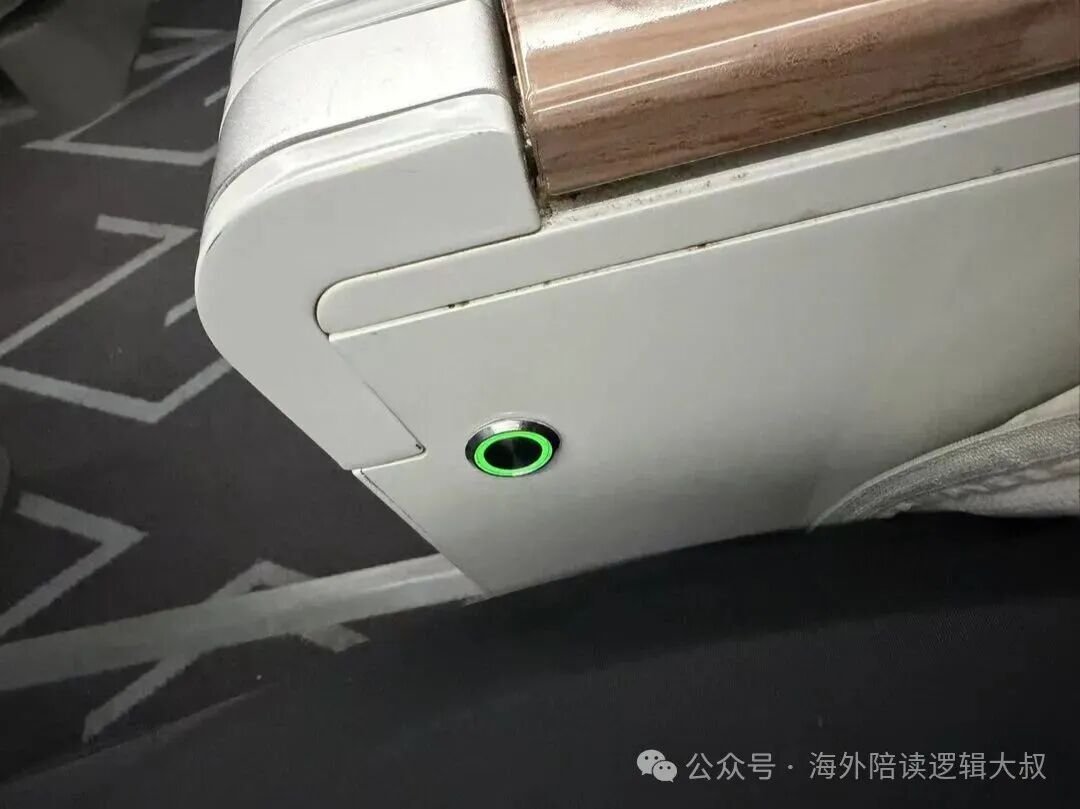
Standard class is 2+2, four seats to a row. Business Class is 1+2, three seats to a row, with singles along the window side. That is where the difference shows.
- Width and legroom. Wider armrests, clear space between your knees and the seat in front, and a reclining seat ahead that does not reach your legs.
- Recline. The backrest goes down a long way; with the adjustable headrest, four hours left my back fine.
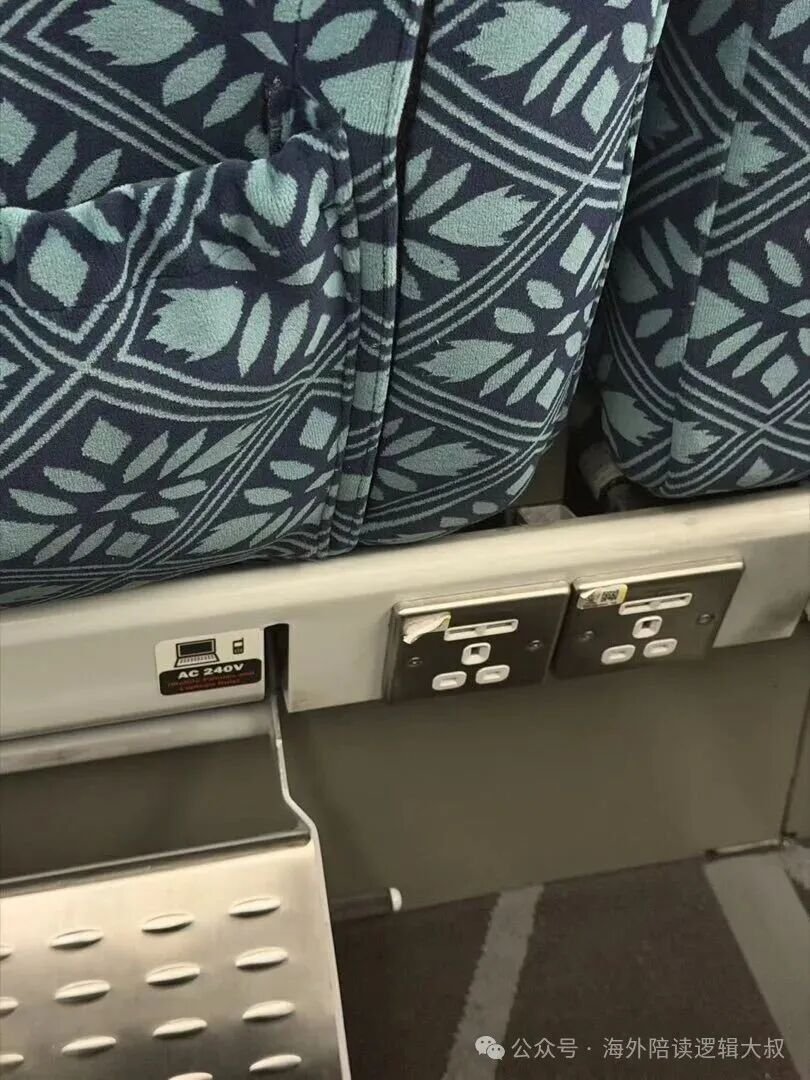
- A three-pin socket and USB at every seat. I wrote on a laptop for nearly two hours and stayed at full charge.
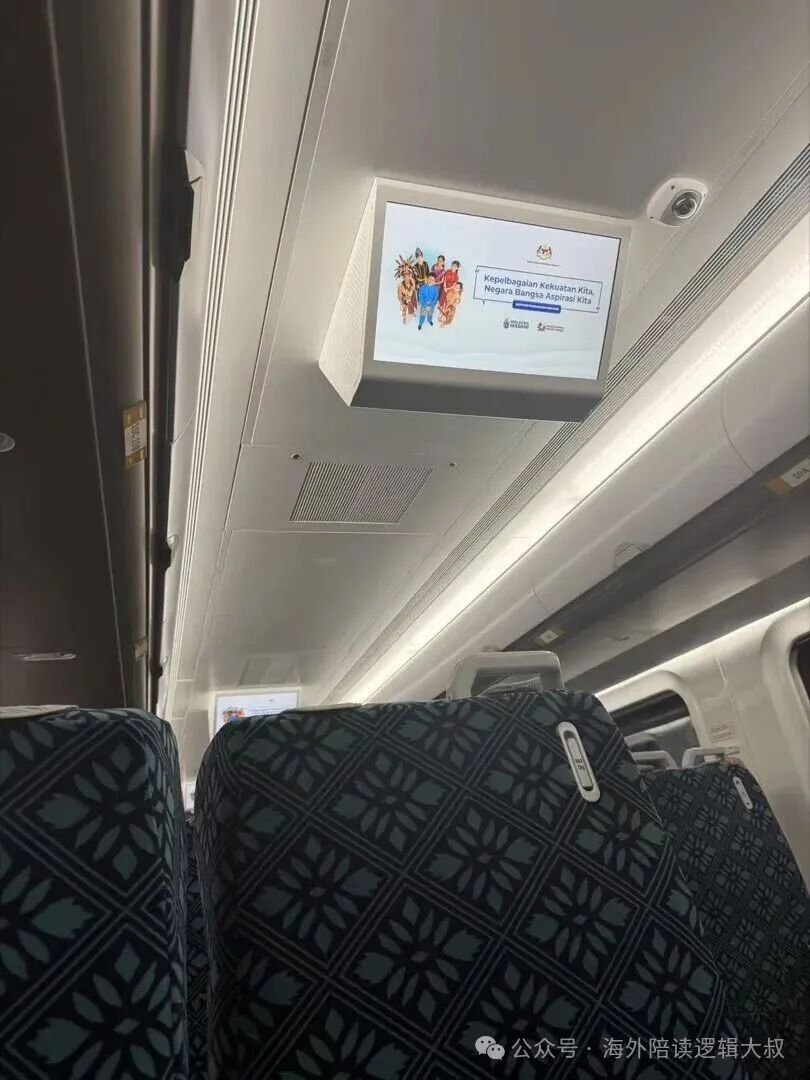
- A personal screen in the seat back. Films and games; there is onboard Wi-Fi but it is slow, so a phone hotspot is more reliable if you need internet.
- A dedicated washroom. Business passengers use the one in their own coach, which is noticeably cleaner.
Travelling alone, I would take a window-side single: aisle on one side, window on the other, and no one to disturb whether you work or doze.

5. The meal, honestly: one hot dish and a snack box
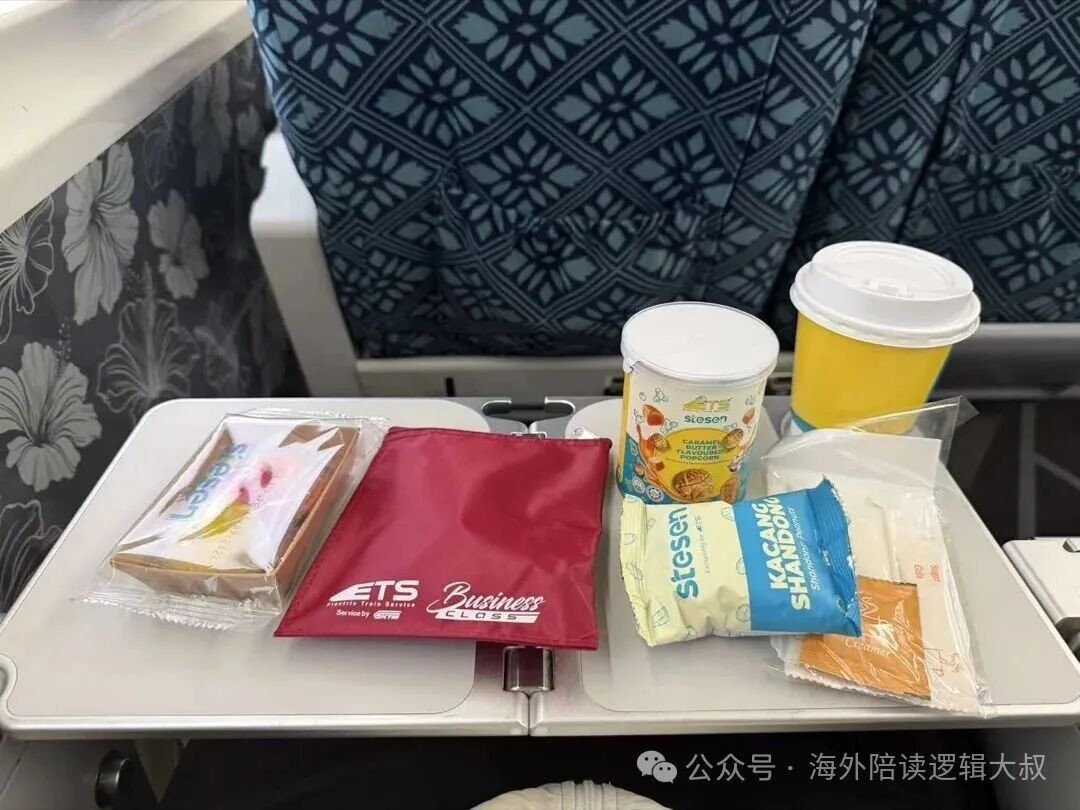
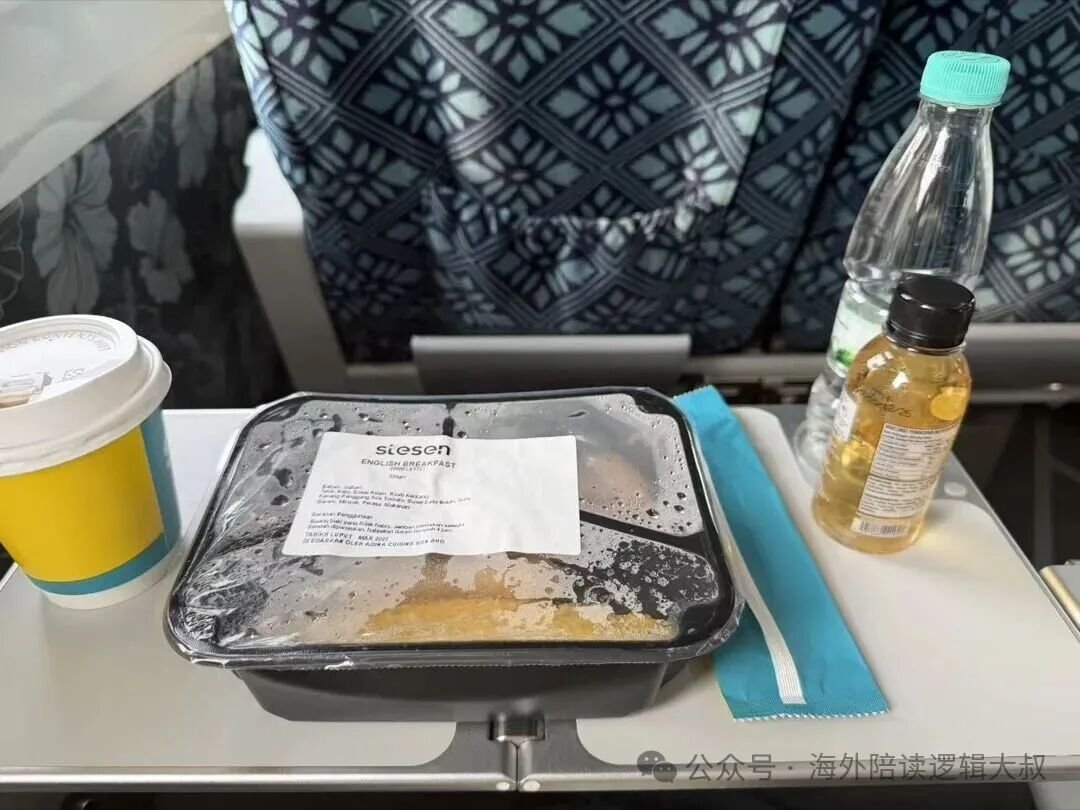
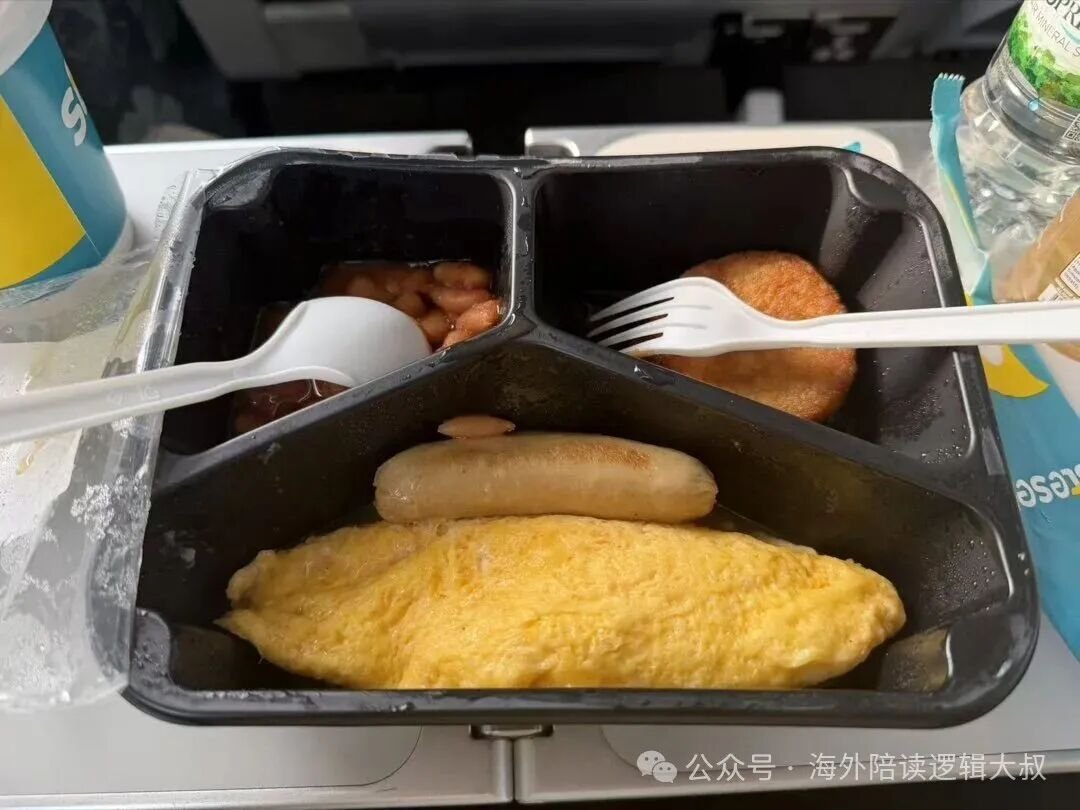
Not long after departure the crew hands out a snack box — usually chocolate, peanuts and a small juice. Then comes the hot meal: on my trip, nasi tomato with ayam merah and a side of pickled vegetables; other services run coconut rice with grilled chicken. The portion is modest but right for an onboard main, and the flavour was above average for transport food in Malaysia.
Coffee and hot tea follow, and free earphones come with the ticket for the seat-back screen.
To be fair: the meal alone is not worth RM66. Treat it as a bonus and the maths feels better. What really carries the premium is space and quiet. There is also a Bistro coach mid-train selling extra drinks and snacks at roughly convenience-store prices.
6. Quiet: the main reason I paid
Standard class is not rowdy, but it is a normal public carriage: phone calls, video played out loud, a crying child. Business Class is clearly quieter — fewer people, fewer seats, less talking — and even at 140 km/h the cabin noise stays low.
Over those four hours I cleared my inbox, finished the outline for this piece and slept for forty minutes. On the same journey in standard class I would probably have scrolled my phone the whole way.
Business Class is not a quiet carriage by rule. There are simply fewer people; conversation and calls are not banned. If you need real silence, headphones beat a seat upgrade.

7. The maths: when it is worth it, and when it is not
Break the RM66 down and you get: a wider seat, a backrest that actually reclines, a socket that always works, a hot meal, a cleaner washroom, four comparatively quiet hours, and a lounge to sit in before departure. Here is how I would call it in common situations.
| Your situation | Verdict | Why |
|---|---|---|
| Four-hour runs such as KL-Penang or KL-Johor Bahru, with work or meetings on arrival | Worth it | The difference in how you feel on arrival is obvious, especially for your back |
| You need to work or take calls on board | Worth it | Socket, tray table and quiet turn travel time into working time |
| Travelling with an older person, a pregnant passenger or someone with a bad back | Worth it | Recline and legroom stop being a luxury |
| Short hops of about an hour, such as KL-Ipoh | Not needed | You are off the train before the lounge and meal earn their keep |
| Three or four of you wanting to sit together | Think twice | Business is 1+2, three to a row, so a group gets split easily |
| Tight budget, you just need to move yourself and your bags | Not needed | Platinum standard reclines, is air-conditioned and runs on time |
One practical catch: Business Class is usually excluded from fare promotions. If you were buying on a discount, upgrading often forfeits the discount entirely, so the real gap can be wider than it looks.
8. How to book, and what to watch for
- Stick to official channels. Book on online.ktmb.com.my or the KTM app. Third-party sites typically add RM5-15 per ticket and often will not let you pick a specific seat.
- Book two to three weeks ahead. Seats usually open 30-60 days out. Friday evenings, Sunday evenings, and the days around school and public holidays are the tightest.
- Check the class field before you pay. That is the lesson from my RM66. Classes are listed separately in the app, and the payment page shows a total — it will not necessarily warn you that you have selected Business Class.
- Mind the seat direction. The seat map marks which way each seat faces, roughly half forward and half backward. If you are prone to motion sickness, pick a forward-facing one.
- Leave time at Butterworth. The covered linkway from the station to the Penang Sentral ferry terminal takes about three to five minutes. The crossing is RM2, takes 10-15 minutes and is now fully cashless — card or mobile payment.
If you are continuing north across the border, see Penang to Hat Yai by Train: Ferry, Transfers and the Border. If you are still deciding how to get between Kuala Lumpur and Penang at all, the coach option is covered in Kuala Lumpur to Penang by Bus.
Back to that mis-tapped ticket. It was a mistake, and also a cheap way to learn something: on any Malaysian train ride longer than four hours, the Business Class premium does not buy "premium" — it buys four solid hours.
Frequently asked questions
What is the biggest difference between ETS Business Class and standard?
They are the same train at the same time; Business Class is simply one coach of it. The differences are the 1+2 layout (standard is 2+2), more legroom, a deeply reclining backrest, a power socket and USB at every seat, a seat-back screen, a dedicated washroom, plus an included hot meal, snack box and station lounge access.
How much extra is a reasonable premium for Business Class?
On KL to Butterworth, Platinum standard runs roughly RM79-112 and Business roughly RM150-210, so the gap is often RM60-90. ETS uses dynamic pricing, so there is no fixed number — judge it against the actual quote for your departure.
When is upgrading not worth it?
Short hops of about an hour, such as KL to Ipoh, where you get off before the lounge and meal earn their keep; groups of three or four who want to sit together, since the 1+2 layout splits a family easily; and tight budgets, where Platinum standard already reclines, is air-conditioned and runs on time.
Can I get a refund if I buy Business Class by mistake?
Whether and how you can refund depends on KTMB's current change-and-refund rules and where you bought the ticket; there are usually deadlines and fees, and some fares cannot be changed close to departure. Better to check the class field in the app before paying than to sort it out at the platform.