
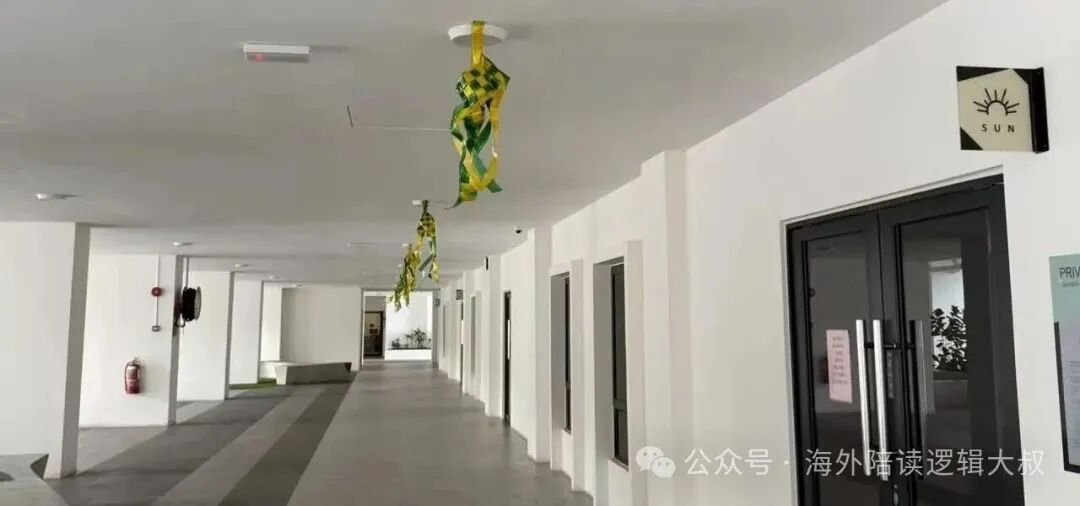
Malaysia's public holidays are three stacked lists — federal, state and religious — so a date that is a holiday in one state may not be in another. Watch where public and school holidays overlap: the government-school year-end break runs about six to seven weeks from late November.
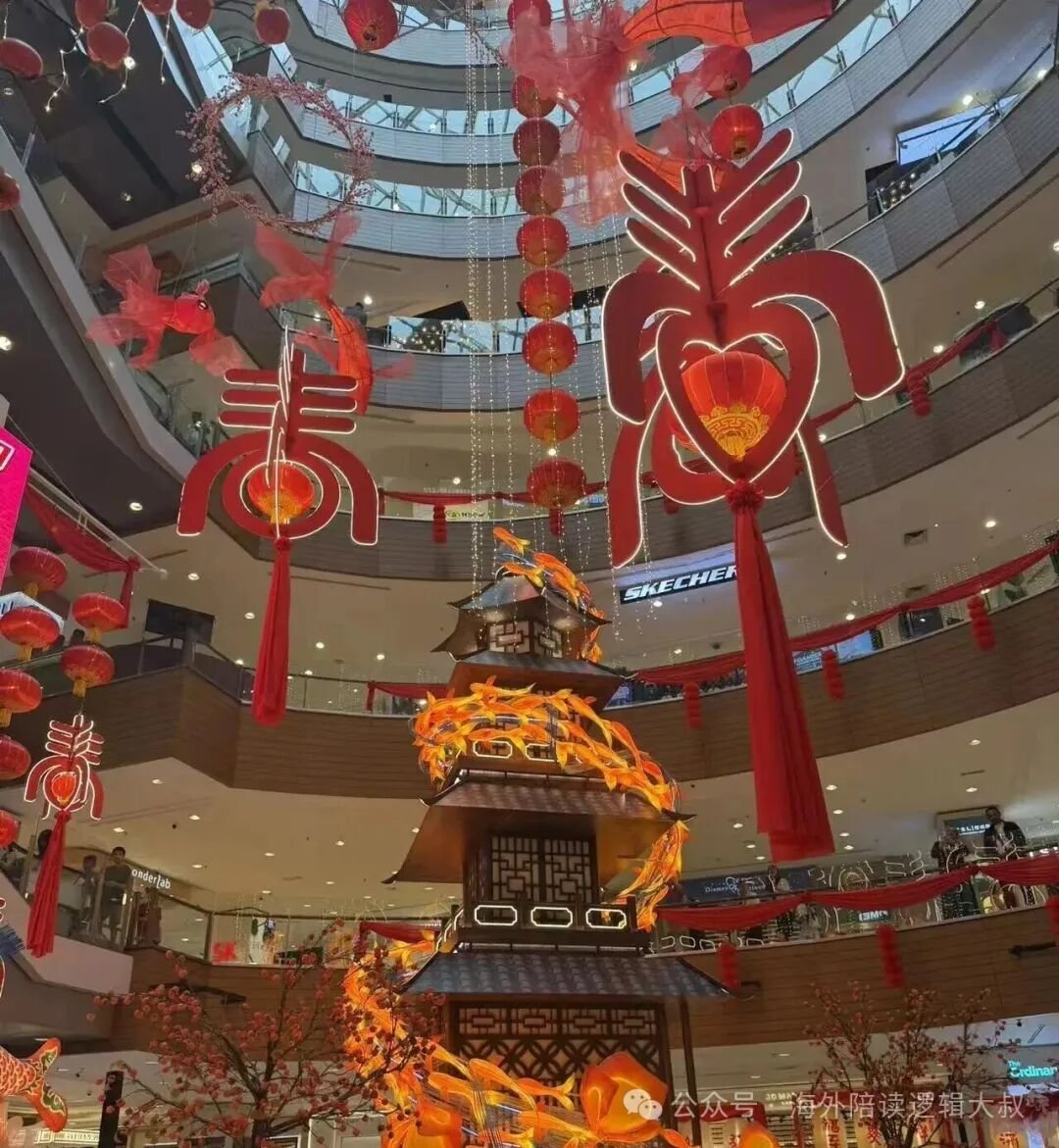
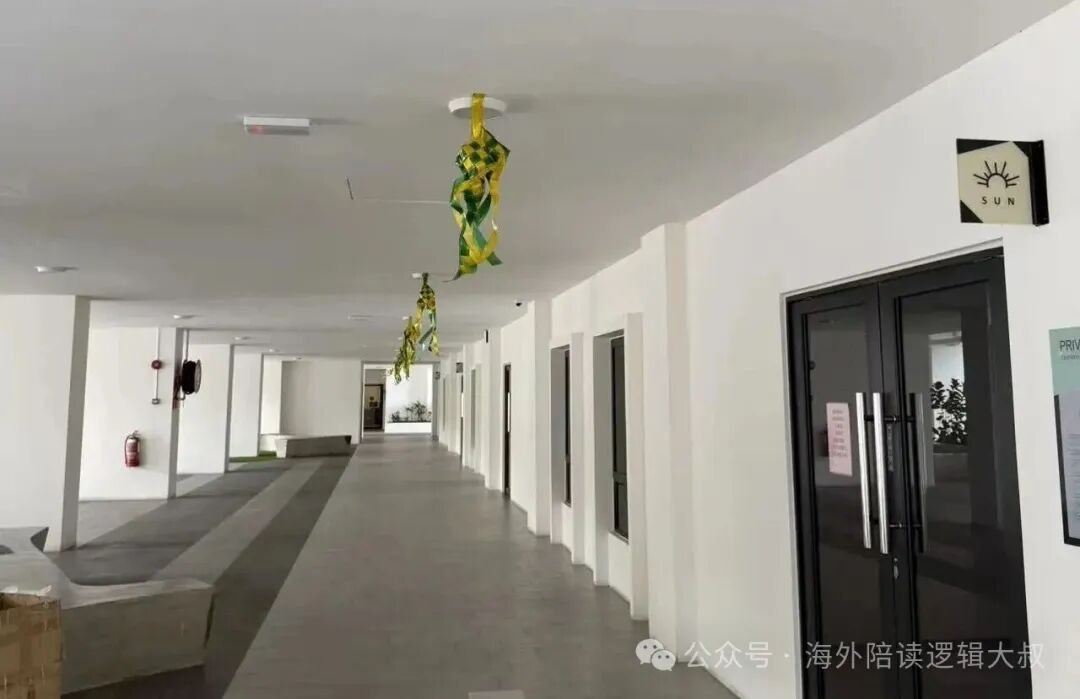
1. Several new years a year: read the calendar first
Newcomers to Malaysia often get the same impression: the year seems to hold several "new years". That is not an exaggeration. January 1 is a new year. Chinese New Year (usually late January to mid-February) is a new year. Awal Muharram, the first day of the Islamic calendar, is another. And Hari Raya Aidilfitri, one of the longest breaks of the year, is the main event for many families. Add Deepavali, Wesak Day and Christmas, and there is a reason to slow down almost every month or two.
These dates are not just extra festivity; they form a real social timetable. Schools close, offices shut, flights and hotels get pricier, and shopping malls change their displays. For a family staying long term, reading that timetable matters more than memorising any single date.

2. Why so many: federal holidays, state holidays and religious days
Public holidays in Malaysia fall roughly into three layers:
- Federal holidays: observed nationwide, such as New Year's Day, Labour Day (1 May), National Day (31 August), Malaysia Day (16 September) and Christmas Day (25 December).
- State holidays: the ruler's birthday and state anniversary differ by state, so a date that is a holiday in one state can be a normal working day in another.
- Religious and cultural festivals: Chinese New Year, Hari Raya Aidilfitri, Deepavali, Wesak Day, Awal Muharram and the Prophet's birthday, most of them national, though the exact coverage of some varies by state.
So there is no single nationwide list of "Malaysian public holidays" — it is more like several lists stacked together. That is why a date you find online may not match your own state exactly.
Always treat the current year's official gazette as the final word; dates shift each year with the lunar and Islamic calendars. This article explains the pattern and how to plan, not the official announcement.
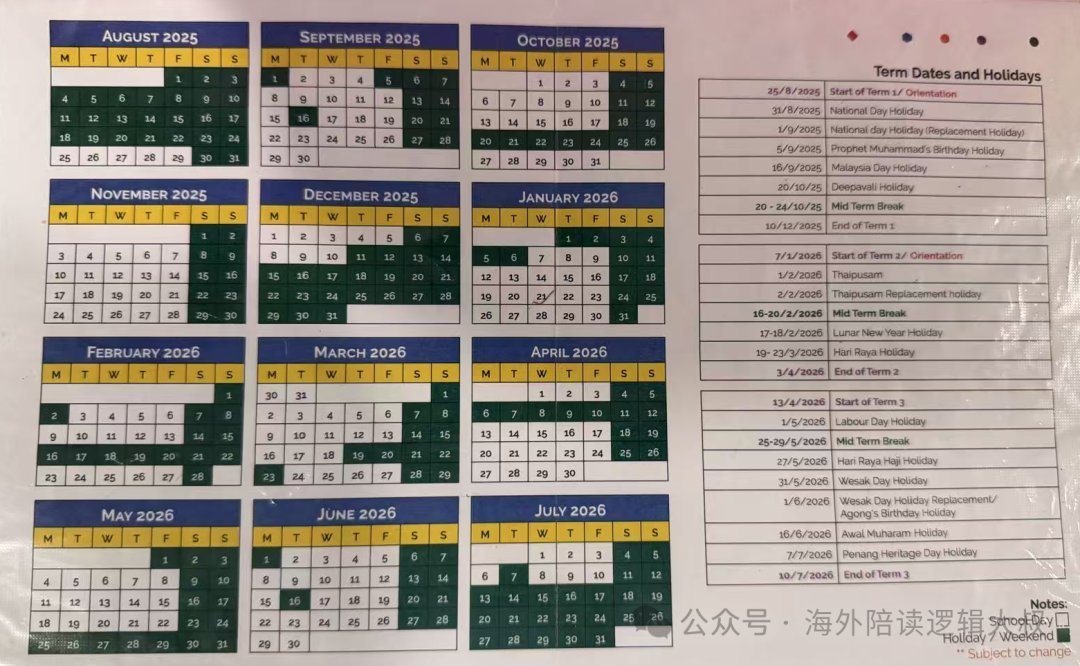
3. Public holidays are not school holidays: two different calendars
Many parents are caught out because two things get mixed up:
- Public holidays: society-wide, usually a single day or two or three.
- School holidays: set by the education authority's academic calendar, arriving in blocks that can run for weeks.
The two overlap but are not the same. Government schools follow one national teaching calendar; international schools often use a British or Australian year, with terms and breaks that fall at different times. Two families in the same neighbourhood can easily have children on holiday several weeks apart.

4. How school holidays are arranged: terms and the year-end break
The government school year runs in terms, with a short break of about a week between them and a long break at the end of the academic year — usually late November into December, lasting about six to seven weeks, bridging the Gregorian new year before the new year begins.
International schools vary more, often on a three- or four-term year with a mid-term break of about a week in addition to the long year-end holiday. What parents really need to watch is the window where a public holiday and a school holiday overlap — that is when transport and accommodation are tightest and priciest.
| Type of break | Approximate timing | Length | Main effect on families |
|---|---|---|---|
| Year-end break (government schools) | Late Nov - Dec | About 6-7 weeks | Priciest flights and hotels, heavy travel |
| Mid-term break | Between terms | About 1 week | Good for short trips; the city is quieter |
| Hari Raya, Chinese New Year | Varies with the Islamic and lunar calendars | 2-4 days | Nationwide at once, heavy interstate traffic |
| Long weekend (from a replacement day) | Irregular through the year | 3 days | Short-haul destinations sell out fast |
5. Replacement holidays and long weekends: check the rule first
One detail shapes travel plans: when a public holiday falls on the weekly rest day, a replacement holiday is usually given the next day. But weekly rest days are not uniform — most states rest on Saturday and Sunday, while a few rest on Friday and Saturday. So the same festival can produce a replacement day on different dates depending on the state.
When a holiday sits next to a weekend, it becomes a three-day long weekend. Short-haul destinations, cross-border coaches and budget flight seats tend to sell out within days. If you plan to travel, decide early rather than "waiting a couple of days".
6. What it means for long-stay and accompanying families
For families living here, holidays bite in more concrete ways than they do for visitors:
- Time your errands around them: immigration, embassies, consulates and banks close on public holidays, and a run of holidays can shut them for three or four days. Anything time-sensitive, like a visa renewal or a notarisation, is best kept away from those stretches.
- Book flights early: around the year-end break and Hari Raya, return fares rise noticeably and popular routes sell out.
- Daily life shifts: malls and restaurants are especially busy around the big festivals, and some small shops close for the first day or two of Chinese New Year, so shop ahead.
- Children's social circles rotate: classmates come from different backgrounds, so a child's holiday rhythm often follows several festivals at once — itself part of living in a diverse place.
7. How to plan the whole year in advance
- Start the year with two calendars: the official public holiday list and your child's school term dates.
- Circle the overlapping "peak weeks": book tickets and rooms for those first, or simply stay close to home.
- Put paperwork in the quiet season: visa renewals, driving licences and banking are best kept clear of long holiday runs.
- Leave slack for last-minute days off: replacement and one-off holidays can appear suddenly, so avoid an over-packed itinerary.
- Treat holidays as a way to know the place: there is no need to travel every time; community events and markets during festival periods are a good way to learn the city.
The real benefit of working with this timetable is turning daily life from "reacting to each holiday" into "planning ahead". Living here long term, going with the holiday rhythm smooths out a lot — travel, errands and school runs all get easier. Once the daily routine is clear, filling in the practical tools makes it calmer still; see Essential Apps for Living in Malaysia.
Frequently asked questions
Why does Malaysia have several "new years" a year?
Because the Gregorian, lunar and Islamic calendars all run at once. January 1, Chinese New Year and Awal Muharram are each a new year, and Hari Raya Aidilfitri is one of the biggest festivals of the year. Several calendars coexisting is simply part of a multi-ethnic society.
Are public holidays the same as school holidays?
No. Public holidays are society-wide, usually a day or two or three. School holidays are set by the education authority's academic calendar and arrive in blocks that can last weeks. Government and international schools also follow different term dates, so the two need to be read separately.
Is there a replacement holiday when a holiday falls on a weekend?
Usually a replacement day is given, but which day depends on the state's weekly rest day. Most states rest on Saturday and Sunday, while a few rest on Friday and Saturday, so the result can differ from state to state.
What should long-stay families prepare first?
Two things: put the official public holiday list and your child's school term dates side by side and circle the overlapping peak weeks, booking travel and rooms early; and schedule time-sensitive tasks like visa renewals and notarisations in the quiet season, away from long holiday runs.