
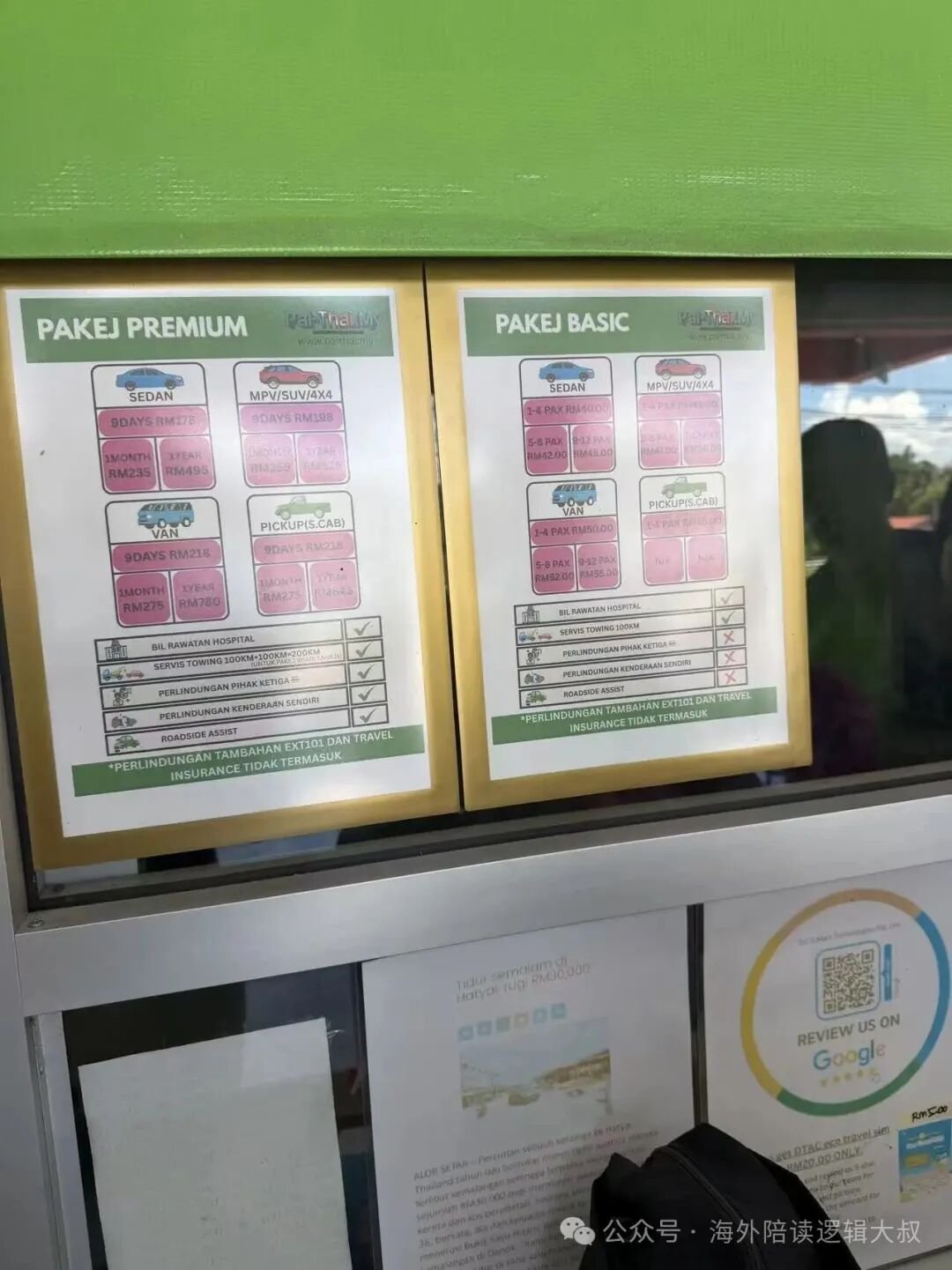
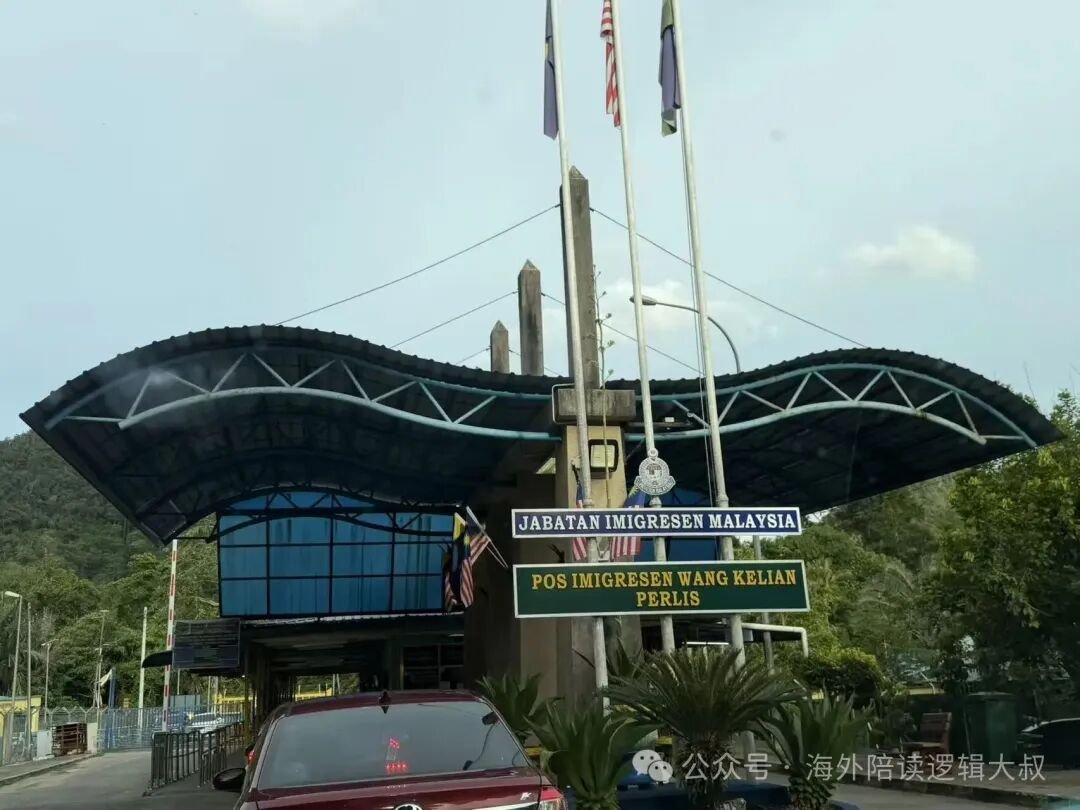
Driving from Penang into Thailand, avoid the main crossing in holiday periods and take the hill road to Wang Kelian: twenty extra minutes of driving saves two or three hours of queueing. Thai vehicle insurance must be bought before the border. Passengers get out and walk through while the driver crosses alone.
1. Three crossings, and how to choose
Driving into Thailand from northern Malaysia there are three main entry points. They do not differ much in paperwork. They differ enormously in queue time.
| Crossing | Character | When to use it |
|---|---|---|
| Bukit Kayu Hitam | The main highway; best road, fastest when clear | Weekdays, early morning outside holidays |
| Padang Besar | Usually easier than the highway crossing | Ordinary weekdays; still long queues in holidays |
| Wang Kelian | Up in the hills, reached by a winding road; almost never queues | First choice in school and public holidays |
The conclusion is blunt: if you are travelling in a holiday period, do not queue at the main crossing. Twenty extra minutes of hill road buys back two or three hours in a line. Worth remembering — most people only regret it once they are already stuck.
2. No vehicle insurance, no crossing
Many people assume a passport is all they need to take a car across. In fact people and vehicles go through two entirely separate sets of paperwork.
The human side is straightforward: file the destination country's electronic arrival card in advance (Thailand uses the TDAC — link at the end). The vehicle side has one hard requirement: Thai vehicle insurance must be bought before you reach the border.
- Where: the roadside near the border is lined with agents and it is quick.
- Cost: varies with vehicle type and level of cover; ask at the counter.
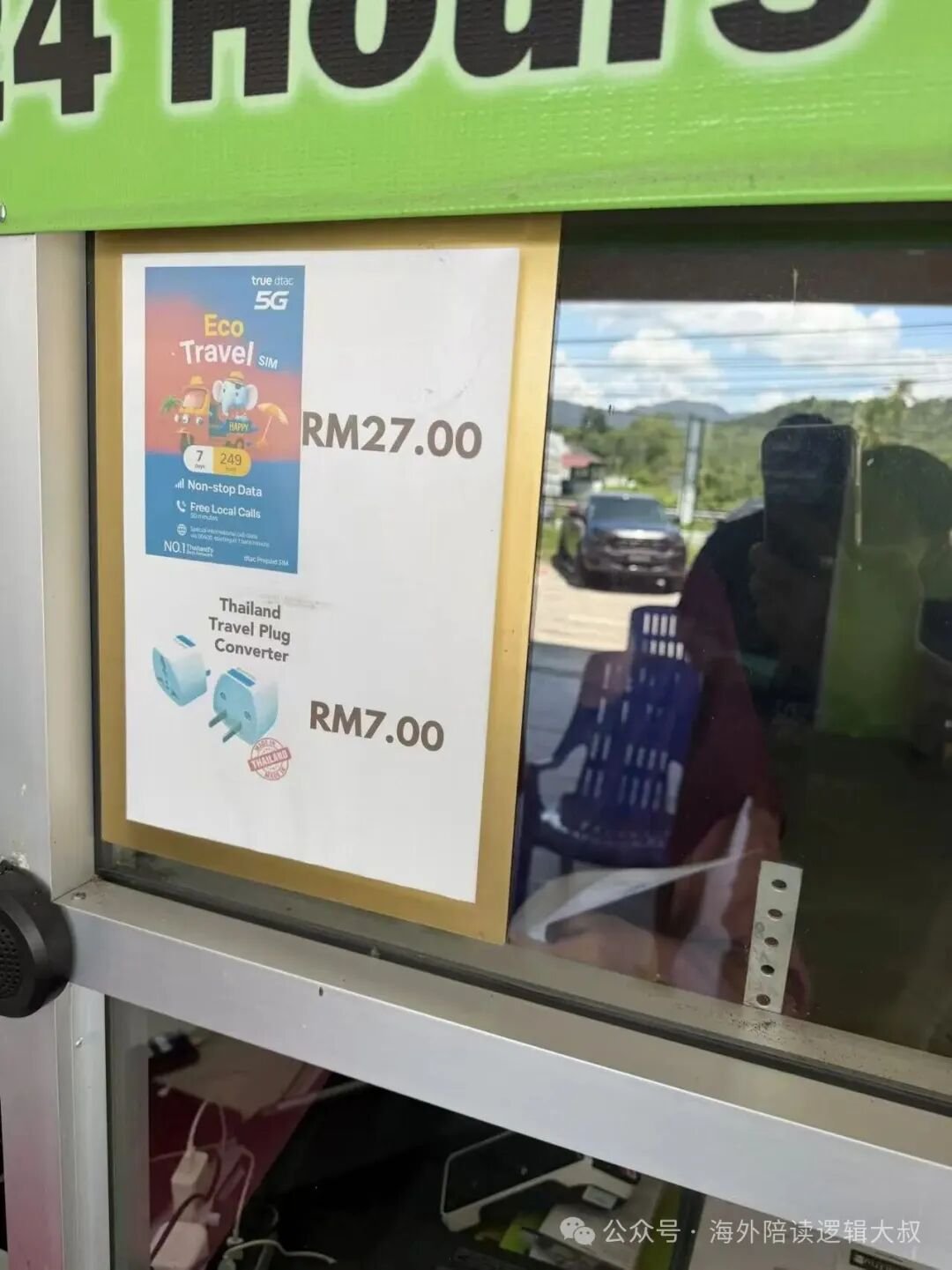
- Worth adding: those shops usually sell Thai SIM cards too. A short unlimited-data card covers navigation and calls for the whole trip. If your phone takes eSIM, buy online and activate the QR code on arrival instead.
Insurance first, queue second. Discovering at the barrier that you have no cover means backing out and starting the queue again — the most common wasted hour at any land border.
3. Driver and passengers must split
This is the rule most often missed, and the one that costs the most time.
- The driver takes the car alone through the vehicle lane and processes both the vehicle and themselves.
- All passengers get out, taking their own luggage and documents, and clear immigration on foot.
- Both sides meet again at the designated area beyond the barrier.
Arrive at the driver's lane with a full car and you will be stopped and sent back to requeue. If you are travelling with children or older relatives, have them get out before you join the queue, not when you reach the booth.
4. Entering Thailand: a paper form on top of the electronic one
Malaysian exit formalities are quick and take almost no time. The clock starts on the Thai side.
Even with the electronic arrival card already filed, you will often still be asked to complete a paper arrival form by hand. In practice only adults need to fill it in; children are usually exempt.
One easily overlooked detail: those ten or fifteen minutes at the counter are prime mosquito time. Border areas are densely vegetated and it is worse towards evening. Spray repellent before you get out of the car — and do not leave it in the boot, because you are getting out precisely to fill in that form.
This is not a small thing. Fifteen unprotected minutes can leave you with a dozen bites and a ruined few days.
5. Fingerprints: the two countries run opposite systems
Both customs services take fingerprints, but the hardware and sequence differ a lot, and explaining yourself across an accent barrier is hard. Knowing the rules in advance saves a great deal of repeated pressing.
| Stage | What is required |
|---|---|
| Entering Thailand | All ten fingers, in groups: left four, right four, then both thumbs |
| Entering Malaysia | Both index fingers together, once |
| Leaving Thailand | Right four fingers only |
| Leaving Malaysia | Same as entry — both index fingers together |
In short: Thailand is strict on entry and relaxed on exit; Malaysia is identical both ways and always quick.
Two ways to cope when you cannot follow the instructions:
- Watch the people ahead of you in the queue. Note which hand goes first and which second, and memorise the order.
- Watch the machine's screen. Thai scanners usually show an animation of the hand position. Press whichever fingers light up.
6. The return leg, and bringing fruit back
Driving back into Malaysia, the driver-passenger split applies again, but the whole thing is smoother: no hand-written forms this time, which saves a useful amount of time.
On carrying food across: plant and animal products are, in principle, strictly controlled. In practice a small quantity of fruit for personal consumption — a few apples or oranges, for example — is generally waved through after a glance. Be clear that this is discretion on the day, not an entitlement: a large quantity that looks commercial will be stopped.
7. Five things I would do again
- Keep the repellent within reach, not in the boot. Spray before you step out to fill in forms.
- Drop passengers early. Read the signs as you approach and split the party before the queue, not at the booth.
- Take the hill road in holidays. School and public holidays: navigate straight to Wang Kelian.
- Fuel up in Malaysia. Malaysian fuel is markedly cheaper than Thai. Fill before crossing and again after returning.
- Allow half a day of slack on the way back. Border queues are unpredictable; do not plan a tight itinerary.
Vehicle requirements — insurance category, temporary import permits, crossing opening hours — can change. Check the latest notices from both countries' border authorities before travelling. This is a record of one real trip, not a substitute for official requirements.
Frequently asked questions
Which crossing from Penang is fastest?
Outside holiday periods, Bukit Kayu Hitam on the main highway is usually quickest. During school and public holidays, take the hill road to Wang Kelian instead — it almost never queues and saves hours.
Do I need vehicle insurance before crossing?
Yes. Thai vehicle insurance must be arranged before you reach the border. There are plenty of roadside agents near the crossing, but this has to be done before you join the vehicle lane.
Can passengers stay in the car?
No. The driver goes through the vehicle lane while all passengers get out and clear immigration on foot with their own luggage and documents. You meet again beyond the barrier.
Is a handwritten arrival form still required?
Yes, usually, even if you have already filed the electronic arrival card. In practice only adults need to complete it; children are normally exempt.