
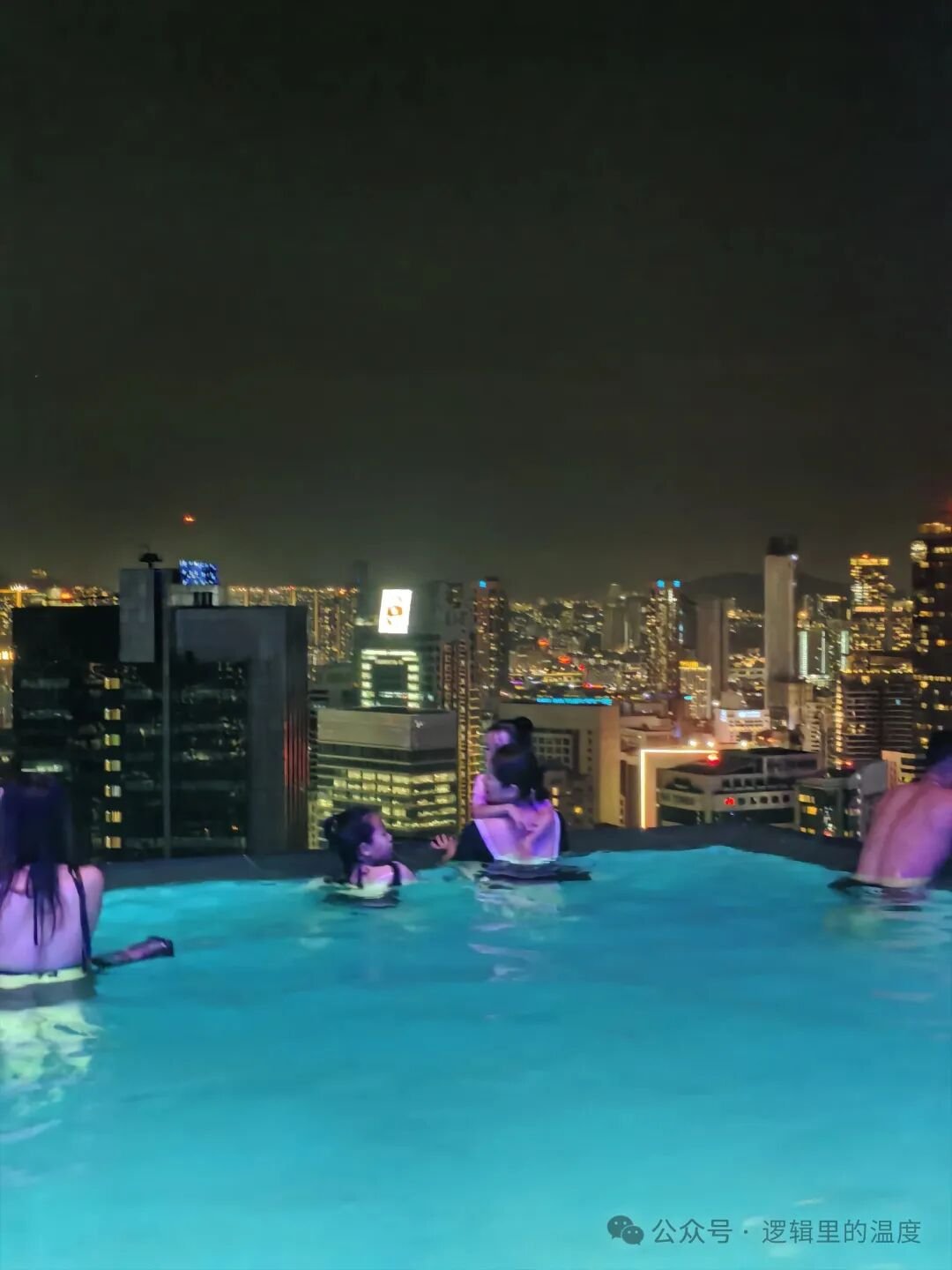
For accommodation in Malaysia, separate hotels for short stays, serviced apartments for long ones, and homestays for cheap trips. Never skip the platform and transfer money for a place you have not stayed in. In the first ten minutes check water pressure, aircon and soundproofing; the real total adds RM10 tourist tax per room per night.
1. Start by separating the three kinds of accommodation
In Malaysia, places to stay fall into three broad groups: hotels, serviced apartments and homestays (including guesthouses). Their booking logic, cost structure and typical pitfalls are completely different. Read the table below before you decide which one to book.
| Type | What it is | Best for | Common pitfalls |
|---|---|---|---|
| Hotel | 24-hour front desk, daily cleaning, standard rooms | Short stays, business trips, anyone without the local language | Small budget rooms, thin walls, paid parking |
| Serviced apartment | Kitchen and washing machine, priced per unit, lots of space | Stays of a week or more, families, self-caterers | Cleaning fee and deposit, no reception, hard to arrange checkout |
| Homestay / guesthouse | Low price, unique style, direct contact with the host | Backpackers, budget travellers who can handle uncertainty | Shared bathrooms, no lift, listings that do not match reality |
Rule of thumb: hotels for one to three nights, serviced apartments for a week or more, homestays only if you want to save money and can live with uncertainty. Many so-called disasters come from treating a homestay like a hotel, or booking an apartment expecting hotel service.
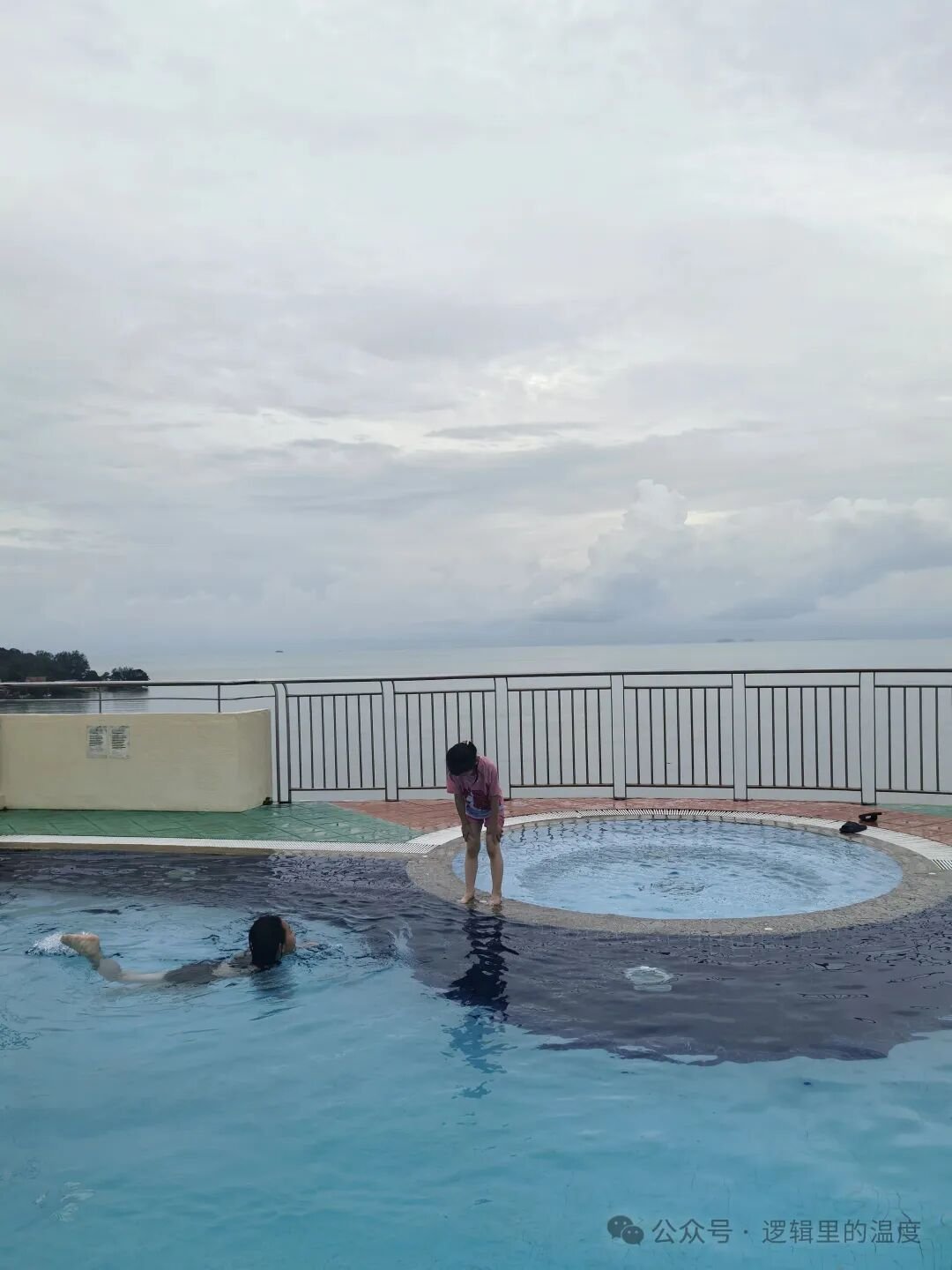
2. Booking channels: platforms, direct booking and 'just transfer the money'
The same room can differ by 15%–30% depending on where you book. There are four channels worth knowing:
- OTAs: Agoda, Booking, Trip.com, Airbnb. In Malaysia, Agoda tends to be cheapest because it localised early and has exclusive rates with many local hotels; Booking's advantage is clearer free-cancellation terms.
- Direct booking via the hotel's site or phone: sometimes cheaper than the platform because you cut out the 15%–18% commission. Good if your dates are fixed and you are happy to communicate yourself.
- Direct booking via WhatsApp or WeChat: common with homestay and apartment hosts. The price can genuinely be lower, but there is no platform guarantee.
- Pay cash on arrival: some small inns and homestays only take cash or a local bank transfer; cards may add 2%–3% or not be accepted at all.
For a property you have never stayed in, do not skip the platform and transfer money to an individual just to save a few ringgit. If the room does not match, a platform gives you a dispute process; a bank transfer gives you almost nothing.
Also note that the headline price on a listing usually excludes tax and cleaning fees, which appear only at the payment step. Do not fixate on the lowest number on the search page.
3. Five checks before you book
- Drop the address into a map: see how far it really is from where you need to be, and whether there is a main road, a construction site or a karaoke bar next door. "5 minutes' walk" on a listing often means straight-line distance and a 15-minute real walk.
- Look at the photos closely: is there a real view out of the window, an honest bathroom shot, a ceiling or wall-mounted aircon? Listings that are nothing but wide-angle retouching are usually a grade worse in person.
- Search the reviews for keywords: water pressure, aircond, noisy, walk-up. These are the three most common real problems in Malaysian accommodation.
- Read the area unit correctly: listings use square feet, where 1 square metre is about 10.76 sq ft. "550 sq ft" is not big — it is only 51 square metres.
- Check whether the bathroom is private or shared: shared bathrooms are common in budget rooms; if you are travelling as a group, confirm this in advance.
4. Typical nightly rates (RM)
These are ranges I have actually seen and booked in recent years (off-peak, before tax, for guidance only):
| Type | Kuala Lumpur | Penang | Langkawi |
|---|---|---|---|
| Budget hotel | RM90–150 | RM80–140 | RM150–250 |
| Three-star hotel | RM150–260 | RM140–240 | RM250–400 |
| Four / five-star | RM300–700 | RM280–600 | RM500–1500 |
| Serviced apartment (2BR) | RM220–450 | RM200–400 | RM350–700 |
| Homestay room | RM70–130 | RM60–120 | RM120–250 |
| Hostel dorm bed | RM40–80 | RM35–70 | RM60–120 |
A few notes:
- Peak season pushes prices up sharply: school holidays, Chinese New Year, Hari Raya and the Christmas period can add 50%–100% in beach towns, and you need to book one to two months ahead.
- Location drives the spread within a city: two three-star hotels can differ by RM100 depending on whether one is by the sea or in a new development.
- Serviced apartments are priced per unit: a 2-bedroom with a kitchen often works out cheaper than two hotel rooms for four people, but expect a cleaning fee and a deposit on top.
5. On arrival, check three things: water pressure, aircon, soundproofing
These have the biggest effect on how a stay actually feels, and they are the easiest things to hide in photos. Do not unpack first — spend ten minutes on this:
- Water pressure: turn on the shower and the basin tap and see how quickly hot water arrives and whether the flow is decent. Upper-floor units rely on a booster pump, and once it ages the water dribbles. Old hotels are the usual offenders.
- Air conditioning (locally, aircond): set it to the lowest temperature, stand in the room for ten minutes to feel whether it actually cools; listen to the outdoor and indoor units for rattles or dripping; check the remote has batteries and the filter is not caked in dust. There is no heating here — if it does not cool, it does not work.
- Soundproofing: close the window and listen. Rooms on a main road get traffic all night; near a mosque, the dawn call to prayer lands around 5:30–6:00; in old shophouse areas you may hear footsteps above. If you are sensitive to noise, put "away from the main road" in your booking request.
Two small things while you are at it: sockets are UK-style three-pin (Type G) at 240V, so bring an adapter for appliances from elsewhere; and water heaters come in instant and central types — with instant, run the tap for a moment before you step in.
6. Deposits, taxes and cleaning fees: the Malaysian extras
The final bill in Malaysia is usually higher than the listing price, thanks to a few lines you should expect:
- Tourism tax (TTx): on a foreign passport, RM10 per room per night, usually collected at the front desk. Malaysians are exempt.
- State government / heritage fee: states such as Penang and Melaka add a municipal or heritage fee of roughly RM2–3 per night.
- Cleaning fee: common on serviced apartments and Airbnb, a one-off RM50–150 charged per unit, not per person.
- Deposit: hotels usually take a credit-card pre-authorisation or RM100–200 in cash; homestays and apartments ask RM200–500, refunded after checkout inspection — same day if you are lucky, three to seven working days if you are not.
Message the host or hotel: "total including tax and cleaning fee?", and keep the reply in the chat. Then nobody argues over a few ringgit at checkout.
7. Checkout and disputes: keep the evidence
On the day you arrive, film a two-minute video of the room — bed, walls, appliances, water and electricity meters — with the unit number and a clock in frame if you can. It sounds excessive until a deposit is withheld and the landlord says you broke something. Your arrival footage is the only proof you have.
- Keep the conversation inside the platform; do not be steered into a private chat or a direct transfer, because only the in-platform record counts in a dispute.
- Photograph the problem and raise it the same day; bringing it up at checkout makes responsibility hard to pin down.
- Chase a deposit that is overdue: cite your check-in date, unit number and amount. Most hosts refund once they receive a formal reminder.
8. One-page cheat sheet
- Short stay: hotel. Long stay: apartment. Saving money and flexible: homestay.
- Never skip the platform for a property you have not stayed in.
- Water pressure, aircon and soundproofing: three checks in your first ten minutes.
- Total = room rate + RM10 tourism tax + state fee + cleaning fee + deposit.
- Film the room on arrival so checkout goes smoothly.
Treat it as a checklist and run through it before the next booking; the odds of a bad surprise drop a lot. Get these three things right — location, room type and channel — and accommodation in Malaysia is far less trouble than it looks.
Frequently asked questions
How much is the tourism tax on accommodation in Malaysia?
Foreign passport holders pay RM10 per room per night, usually collected at the front desk; Malaysian ID holders are exempt. Some states add a municipal or heritage fee of about RM2–3 per night.
Why is the listing price different from what I finally pay?
The price on the search page is usually the bare room rate, excluding tax and cleaning fees. Tourism tax, state fees and the cleaning fee on serviced apartments often appear only at the payment step, so judge by the final total.
What should I check on the day I arrive?
Three things: water pressure (does hot water arrive quickly and is the flow adequate), aircon (does it actually cool, any rattling or dripping), and soundproofing (traffic, the dawn call to prayer, footsteps above). None of these show up in photos.
How long does a homestay deposit take to be refunded?
In Malaysia, homestay and apartment deposits are typically RM200–500 and are returned after a checkout inspection. It can arrive the same day or the next, or take three to seven working days. If it is overdue, message the host with your check-in date, unit number and amount.