
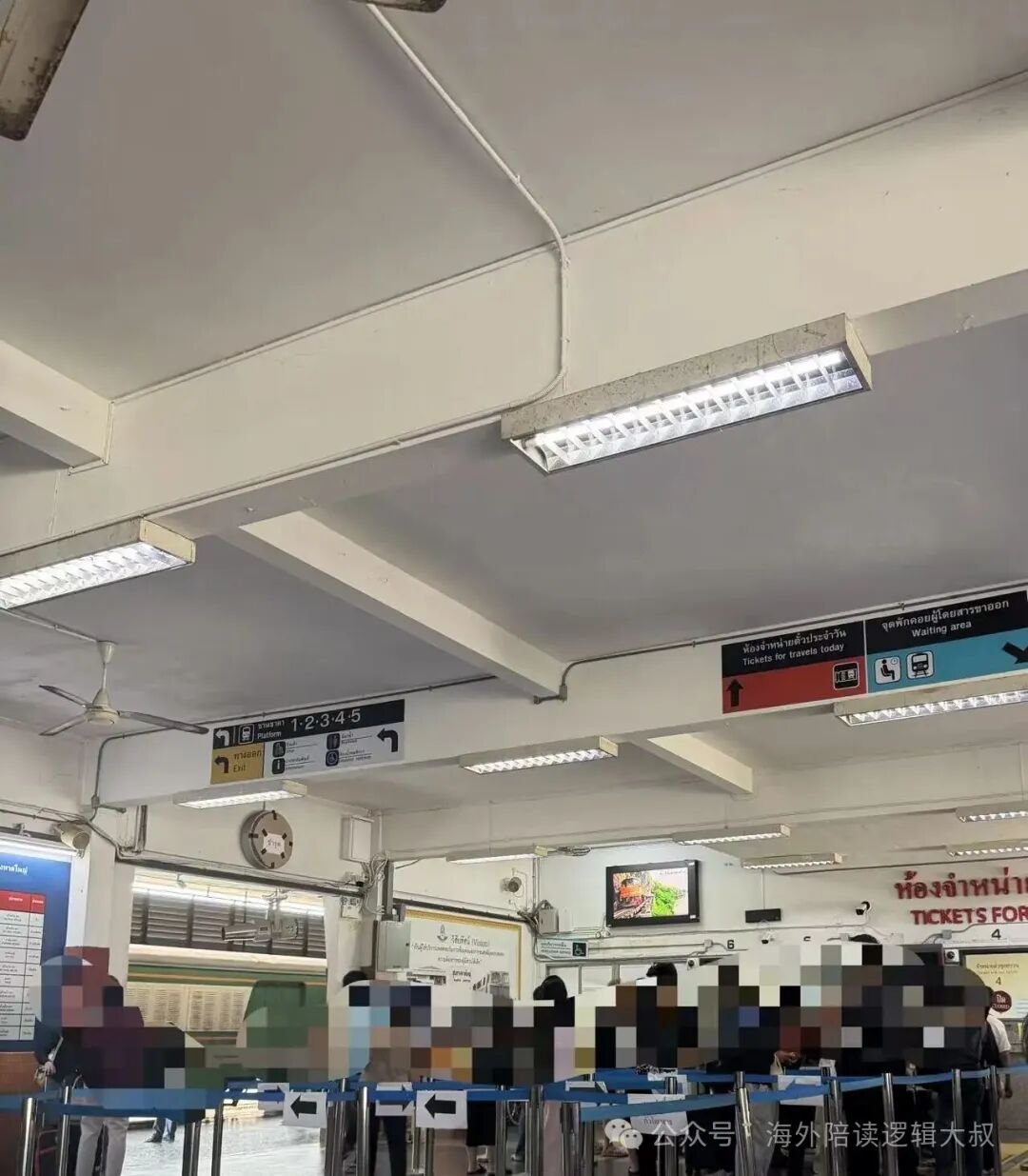
Taking the train from Penang to Hat Yai, clear both Malaysian and Thai immigration at Padang Besar, then transfer to the SRT shuttle, a ride of about fifty minutes to an hour. These border stations have no security screening and no ticket gates, so keep your passport on you and fill in the TDAC in advance.
Heading north from Penang, one of the easiest overland ways into Thailand is the train: clear immigration at Padang Besar on the border, then transfer to a Thai shuttle to Hat Yai. I have ridden this line more than once, and this piece focuses on the border stations themselves — what they look like, what it feels like to walk in with no security checks or ticket gates, and which documents and bags you need to watch yourself.
1. How a border station differs from a regular one
The defining feature of a border station is that it packs two functions — railway station and border crossing — into one building. The platforms are unremarkable; the real core is the immigration counters inside the station hall. Few passengers, few departures, aging facilities: that is the shared character of stations like these. There is no airport-style signage guiding you along, so much of the process you learn by watching other people — which is exactly why it is worth understanding the flow in advance.
2. Padang Besar: one name, two stations
First-time travelers often get confused here: search for Padang Besar on a map and two results come up — one in Malaysia, one in Thailand, roughly one kilometer apart, each run by a different national railway.
| Malaysian side | Thai side | |
|---|---|---|
| Full name | Padang Besar (KTMB) | Padang Besar (SRT) |
| Role | Northern terminus of the KTM commuter line; Malaysian exit counters inside the station | Thai immigration is processed here; the shuttle to Hat Yai departs from here |
| Between them | About a 10–15 minute walk, plus local motorcycle taxis and shuttles | |
The KTM commuter train from Penang and Butterworth terminates at the Malaysian-side Padang Besar. The Thai-side station belongs to the State Railway of Thailand (SRT), and the shuttle train to Hat Yai departs from there, taking around fifty minutes to an hour.
3. Walking in with no security, no ticket gates
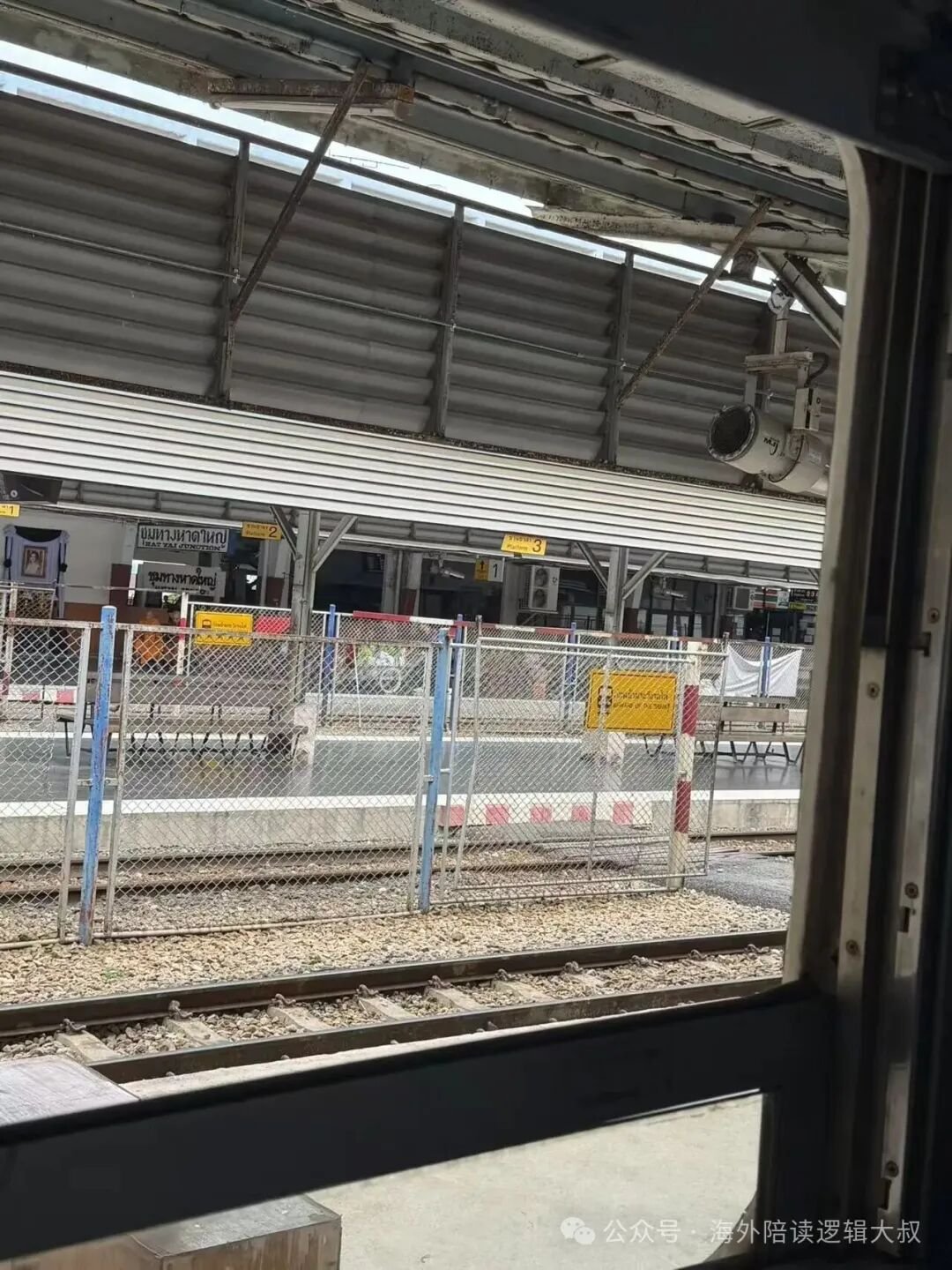
If you are used to airport-style procedures, both stations feel odd at first: no X-ray machines, no metal detectors, no gates. You can walk straight from the forecourt onto the platform and nobody stops you. Your ticket is not a condition of entry — the conductor checks it on the train. Hat Yai is the same: the platforms are open, and you can walk up to read the departure board or find your carriage, then wander back down to buy a ticket.
For travelers this is convenient — no need to arrive early, and luggage is easy to drag around. The flip side is that the station does almost no upfront screening of who boards or what they carry; the order is enforced downstream, through on-board ticket checks and document checks at the border.
4. Crossing and transferring: how the two stations connect
- Take the KTM train to Padang Besar on the Malaysian side. After getting off, go into the station hall, find the Malaysian exit counters, present your passport and get your exit stamp.
- Leave the station and walk about ten to fifteen minutes to the Thai-side station (local motorcycle taxis and shuttles also ply the route; agree on the price first).
- Enter Thailand at the Thai station hall: immigration counter first, then the customs lane if you have anything to declare. Fill in the Thailand Digital Arrival Card (TDAC) online before departure — it makes the counter visit much faster.
- After entry, buy your shuttle ticket to Hat Yai at the station counter and wait on the platform.
- The conductor checks tickets on board. When the train reaches Hat Yai there is no further inspection — you step off in Thailand.
5. What Hat Yai station looks like
Hat Yai Junction is a classic Thai mainline station: a single-story hall, staffed ticket windows, bench seating and old-fashioned timetable boards. The forecourt connects directly to the platforms, with no fence between them. It is also a regional hub — long-distance trains toward Bangkok depart from here, and the hall always has travelers with large bags waiting for the night train. If you are connecting onward, the ticket office sells through tickets, and plenty of guesthouses and money changers sit within walking distance of the station.
6. Luggage and documents: loose process means you watch it yourself
An easy experience does not mean you can relax. Precisely because there is no security line or gate — no stage where the system checks things for you — a few things must be managed on your own:
- Keep your passport on you at all times: you set the pace at the border, so keep the passport close to your body rather than in a checked or stowed bag.
- Have your entry documents ready in one go: your TDAC confirmation, hotel address and departure plans may all be asked about at the counter.
- Handle your own bags: there is no baggage screening and nobody verifies whose bag is whose, so keep luggage within sight while waiting. If you need storage, use the station's left-luggage counter and keep the receipt.
- Split your cash: you will use both currencies, so do not keep everything in one pocket.
Passport valid for six months or more, TDAC filled in advance, your hotel address written down, and a clear departure plan in mind. A loose process means nobody is covering for you — but with the paperwork ready, the counters on both sides move quickly.
7. In short
The border stations on the Malaysia–Thailand line are not grand, not complicated, even a bit shabby — but they compress two countries' border formalities into walking distance, making them the most direct way to understand this overland corridor. Get the process and documents straight, and the whole crossing feels far calmer than you might expect.
Frequently asked questions
Where do you go through immigration when taking the train from Malaysia to Thailand?
At Padang Besar. You clear Malaysian exit formalities at the Malaysian-side station, walk about ten minutes to the Thai-side station for entry, then take a shuttle train of roughly an hour to Hat Yai.
Do Thailand's border train stations really have no security checks?
They do not. There are no X-ray machines or ticket gates at the platforms; tickets are checked on the train, and documents are checked at the border immigration counters.
Do I need to fill in TDAC to enter Thailand by train?
Yes. Complete the Thailand Digital Arrival Card online before entry and keep the confirmation ready to show at the counter — it noticeably speeds things up.
Can I store luggage at the border stations?
Hat Yai station has a left-luggage counter with per-item fees; keep your receipt. The two Padang Besar stations are small, so carrying your bags with you is the safer bet.