
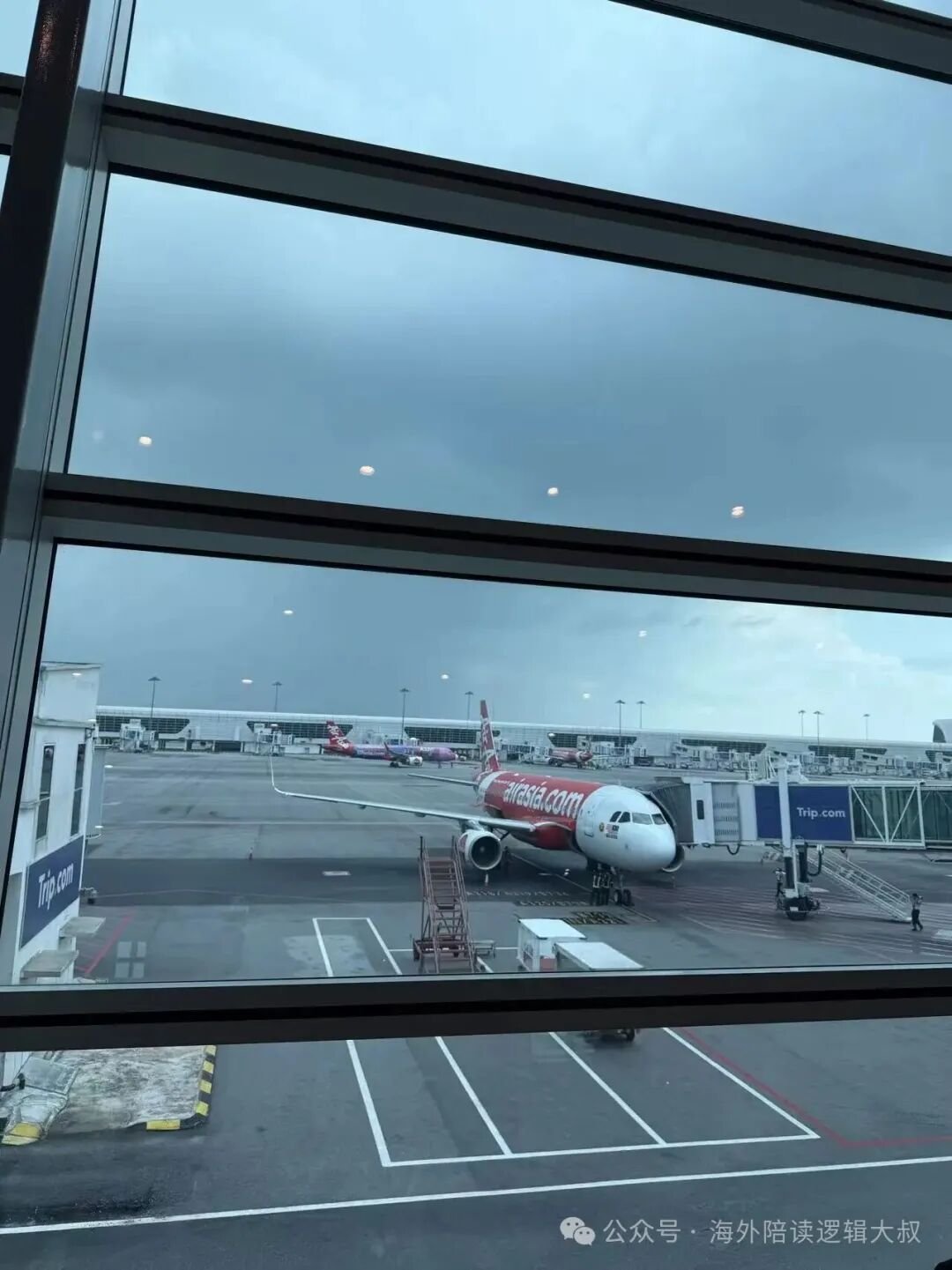
AirAsia's free cabin allowance is one main bag plus one small bag at 7 kg combined, not 7 kg each. Checked baggage is cheapest added at booking; buying it at the airport counter often costs two to three times the online price, with overweight charged per kilo. Keep cabin baggage around 6.5 kg and don't gamble on the gate scale.
The moment AirAsia actually gets you is rarely the booking page — it's the scale by the gate. Low-cost carriers keep fares low and earn much of their margin on extras: cabin baggage is nominally free but tightly capped, the checked allowance is sold separately, and when you buy it changes the price several times over. This post covers four things at once: cabin size limits, where the weighing happens, buying checked baggage early, and what buying it at the airport truly costs.
1. Why it's pricey: baggage is AirAsia's "second ticket"
An AirAsia fare usually does not include checked baggage. That "promo fare" buys exactly one thing: one passenger plus one compliant cabin bag. Checked allowance, seat selection, meals and insurance are all add-ons. That's why two people on the same flight can end up RM100 or more apart purely because of how they bought luggage.
Only one rule really matters: the same checked allowance is cheapest far from departure and most expensive close to it. The ladder runs roughly like this — adding it while booking beats adding it later online, which beats buying it at the airport counter. Every section below explains a link in that chain.
2. Cabin baggage: 7 kg is for both pieces combined
AirAsia's free cabin allowance is one main bag plus one small bag, with a combined weight of no more than 7 kg — not 7 kg each. This is where most first-timers slip up.
| Item | Size limit | Weight | Where it goes |
|---|---|---|---|
| Main carry-on | 56 × 36 × 23 cm | Both pieces ≤ 7 kg combined | Overhead bin |
| Small bag (handbag / laptop bag) | 40 × 30 × 10 cm | Under the seat in front |
Two details cost people the most. First, measure the outer frame including wheels and handles — many "20-inch carry-ons" exceed 56 cm once the wheels are counted. Second, the small bag counts toward the 7 kg too, so loading a laptop, power bank and camera into it still pushes you over. The aircraft is usually from the A320 family, and the overhead bins are shallow; an oversized bag may not fit even if it isn't heavy, and you'll be told to check it in.
A tiny electronic luggage scale lets you weigh the "combined two pieces" before you leave home. What it saves you could be a painful last-minute fee at the airport.
3. Where the weighing happens: more than just the check-in desk
Many people assume that if the counter lets them through, they're safe. AirAsia weighs bags at several points.
- Check-in counter. If you have checked baggage, the agent will often weigh your cabin bag too.
- After security / at the gate. This is the most random link. Some airports spot-check cabin bags with a handheld or floor scale before boarding and charge on the spot, with no room to negotiate.
- A second check at the gate. In peak season or on popular routes, staff may size up your bag at the jet bridge and ask you to drop it into the sizer.
So checking in online and walking straight through security does not let you skip the scale. The only real protection is getting weight and size right before you leave.
4. Checked allowance: how much buying early actually saves
AirAsia sells checked baggage in weight tiers, commonly 20 / 25 / 30 / 40 / 50 / 60 kg, priced per person, per sector, one way. The same tier costs clearly different amounts depending on where you buy it.
| When you buy | Relative price | Notes |
|---|---|---|
| At the time of booking | Lowest (baseline 1×) | Paid in the same checkout as the ticket, usually the cheapest of all channels |
| After booking, online before departure | About 1.2–1.5× | Added via Manage Booking; still cheaper than the airport |
| At the airport counter | Highest (often 2–3×) | Charged per kilo; in peak season the tier you want may be gone |
On a short Southeast Asian route, adding a 20 kg tier at booking costs roughly RM30–70; 30 kg runs about RM50–120. The exact figure moves with route, date and currency, so always check the live price on the page before you commit. Under the rules, allowance is tied to the passenger and flight — you cannot hand your unused kilos to a travel companion, and you cannot pool two sectors together.
5. The cost of buying at the airport: a "penalty" price per kilo
The most expensive tier shows up at the airport. Turning up at the counter to add baggage usually works one of two ways.
- Charged per kilo. Anything above your allowance (or with no allowance at all) is billed at a flat rate per kilo; commonly reported cases cluster around RM20–45 per kg depending on the route.
- Tier difference. Some counters simply charge the airport price of buying that tier on the spot, which often approaches or exceeds two to three times the online advance price.
When cabin baggage is judged overweight at the gate, the penalty is likewise calculated on the kilos over the limit, and there is no negotiating — your bag is already at the jet bridge, and the only choices are to pay or to abandon items. That's why I would rather buy an extra tier in advance than gamble at the airport.
6. Common pitfalls to avoid
- Treating each of the two cabin pieces as 7 kg. It's 7 kg combined.
- Judging compliance by the box's stated size. Measure the outer frame with wheels and handles.
- Assuming a promo fare includes checked baggage. The cheapest fares usually only include cabin baggage.
- Lending your allowance to family. It isn't transferable; each passenger is counted separately.
- Buying connecting flights separately without re-check time. Flights not on one booking require collecting and re-checking your bag.
- Carrying sports gear, strollers or instruments straight on board. Most special items need advance approval and a special-handling fee.
- Buying large bottles of liquid at duty-free. Duty-free liquids bought after security can be stopped at a transfer, so avoid large liquid purchases before a connection.
7. My money-saving order and packing habits
Compressed into a set of actions you can actually follow.
- Decide on checked baggage the moment you book. If you need it, buy it now — don't plan to sort it out later.
- If a real weight need is likely but not yet certain, top up via Manage Booking more than 24 hours before departure; still better than the airport.
- Always leave cabin baggage some slack — aim for about 6.5 kg so the scale can't trip you.
- Put the heavy items in the checked bag and keep only light valuables in the small bag, so the combined two pieces stay under the cap.
- Weigh everything with a pocket scale before leaving; the calm at the gate comes from those two minutes at home.
In the end, AirAsia's baggage logic isn't complicated: it's a clearly priced add-on service, not flexible space you can talk your way into. Buy the allowance you need when you book, and the rest of the trip runs far more smoothly. If you're comparing channels for the best fare overall, my notes on cheaper international tickets are a good next read.
Frequently asked questions
What is AirAsia's free cabin baggage allowance?
One main bag plus one small bag, sized 56×36×23 cm and 40×30×10 cm, with a combined weight of no more than 7 kg.
When is it cheapest to buy checked baggage?
Adding it at the time of booking is cheapest; topping up later via Manage Booking is next; buying at the airport counter is dearest, often 2–3× the online price.
Does AirAsia weigh cabin baggage?
Yes. Besides the check-in desk, some airports spot-check after security or at the gate and charge by the kilo on the spot.
Can I share my checked allowance with family?
No. It is counted per person, per sector, one way. It is not transferable and cannot be pooled across two sectors.