
George Town's heritage core is small, under two kilometres across, and best read on foot. Timing matters most: keep the outdoors to 7:30 to 11:00 while the murals are quiet, hide indoors at midday, then walk the Clan Jetties in the evening. The half-day route takes three to four hours over two to three kilometres.
1. Why George Town works best on foot
The UNESCO core of George Town is small. From Weld Quay inland to the Lebuh Acheh area is under two kilometres in a straight line; across, from Lebuh Light to Lebuh Armenian, it is barely more than a kilometre. In 2008 George Town was inscribed on the UNESCO World Heritage list together with Melaka, and the protected area is exactly this dense grid of shophouses.
More importantly, there is no single sight you have to rush to. The content sits on the street surface: a mural on a wall, a stretch of five-foot way (the covered walkway under a shophouse), a clan hall with incense still burning, a char kway teow stall that only appears at three in the afternoon. A car flattens all of that. Walking is the default way to open this neighbourhood.
The trade-off is heat. Penang sits close to the equator, the midday sun is harsh and afternoon showers are common, arriving fast and leaving fast. So the point of this guide is not which stops to tick off, but how to spread one day out: when to walk, when to hide, when to eat.

2. Three things to decide first: hours, starting point, kit
Settle these three before you go and everything else gets easier.
- Hours: put all outdoor time between 7.30am and 11am. The light is low, the heat is mild and the murals are almost empty. From 11am to 4pm, stay indoors or rest. Come out again after 5pm for a second stretch.
- Starting point: begin around the junction of Lebuh Armenian and Lebuh Cannon, where the murals cluster most tightly. From there you drift towards Weld Quay and end up near the clan jetties. Walking it in reverse works too, but you will be facing the sun all morning.
- Kit: a bottle of water each, a hat, sunblock, a folding umbrella (rain and sun both), and small notes. Hawker centres and stalls in the old town are mostly cash; a few RM5 and RM10 notes are the most useful thing in your bag.
The five-foot ways are not continuous; shops, shrines and steps interrupt them constantly, so a stroller means lifting it up and down all day. With a child under three, a carrier is usually easier. If you do bring a stroller, bring a light one with big wheels.
Before setting out, pin your targets on a map — the murals are scattered, not gathered on one street. If you would rather not walk the second half, Getting Around Penang Without a Car covers the free shuttle and ride-hailing options.
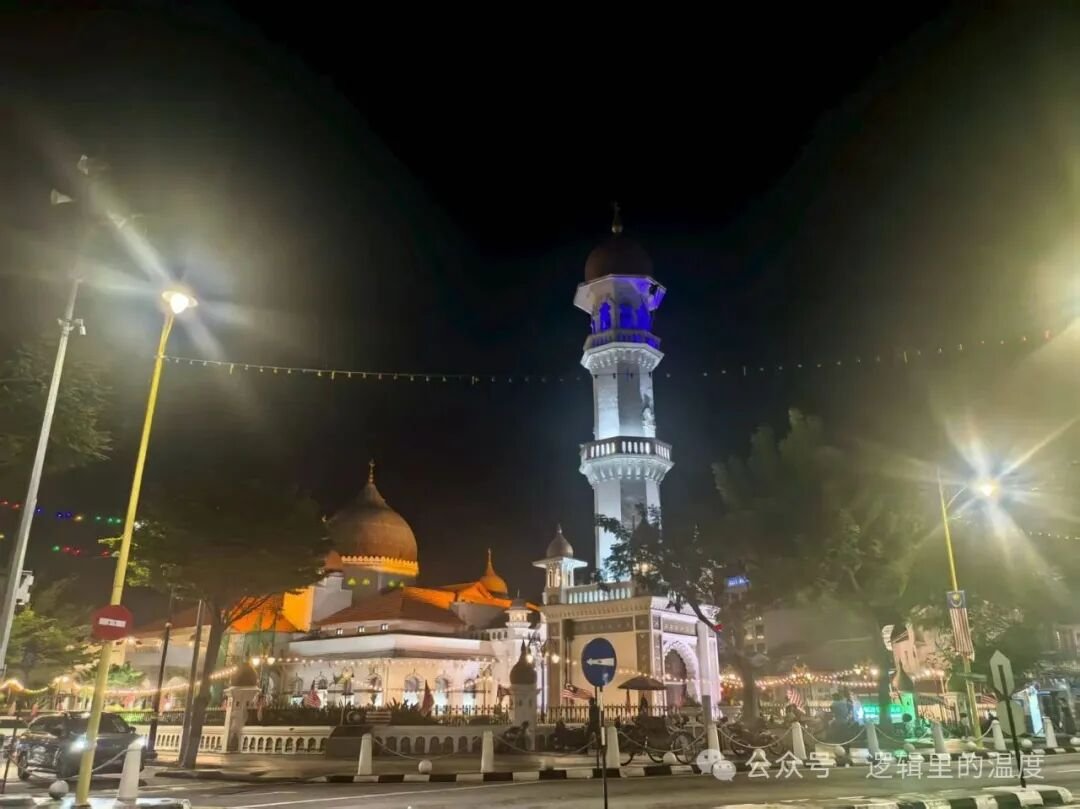
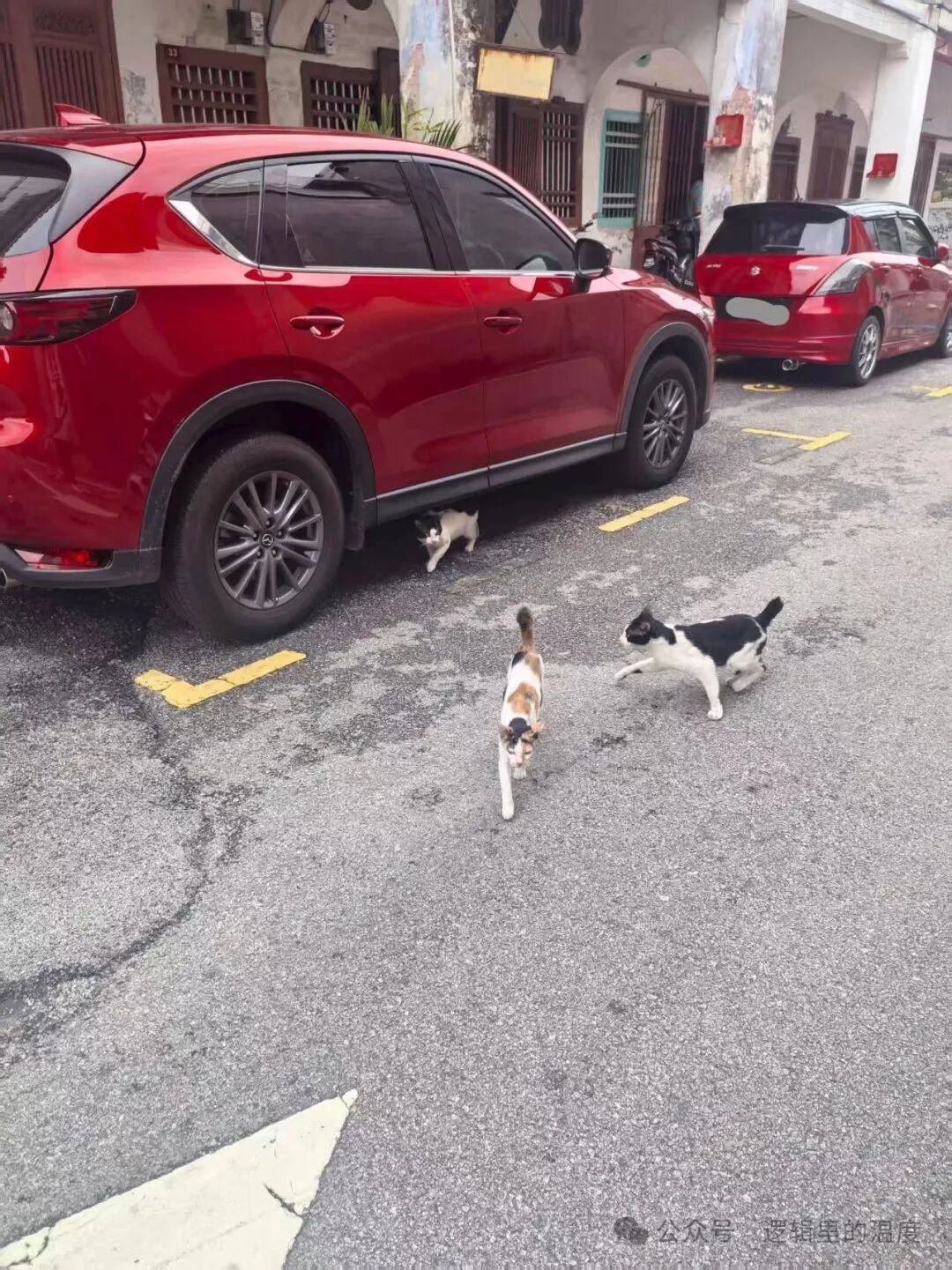
3. The half-day route: murals and shophouse streets (3-4 hours)
If you only have half a day, walk this and stop.
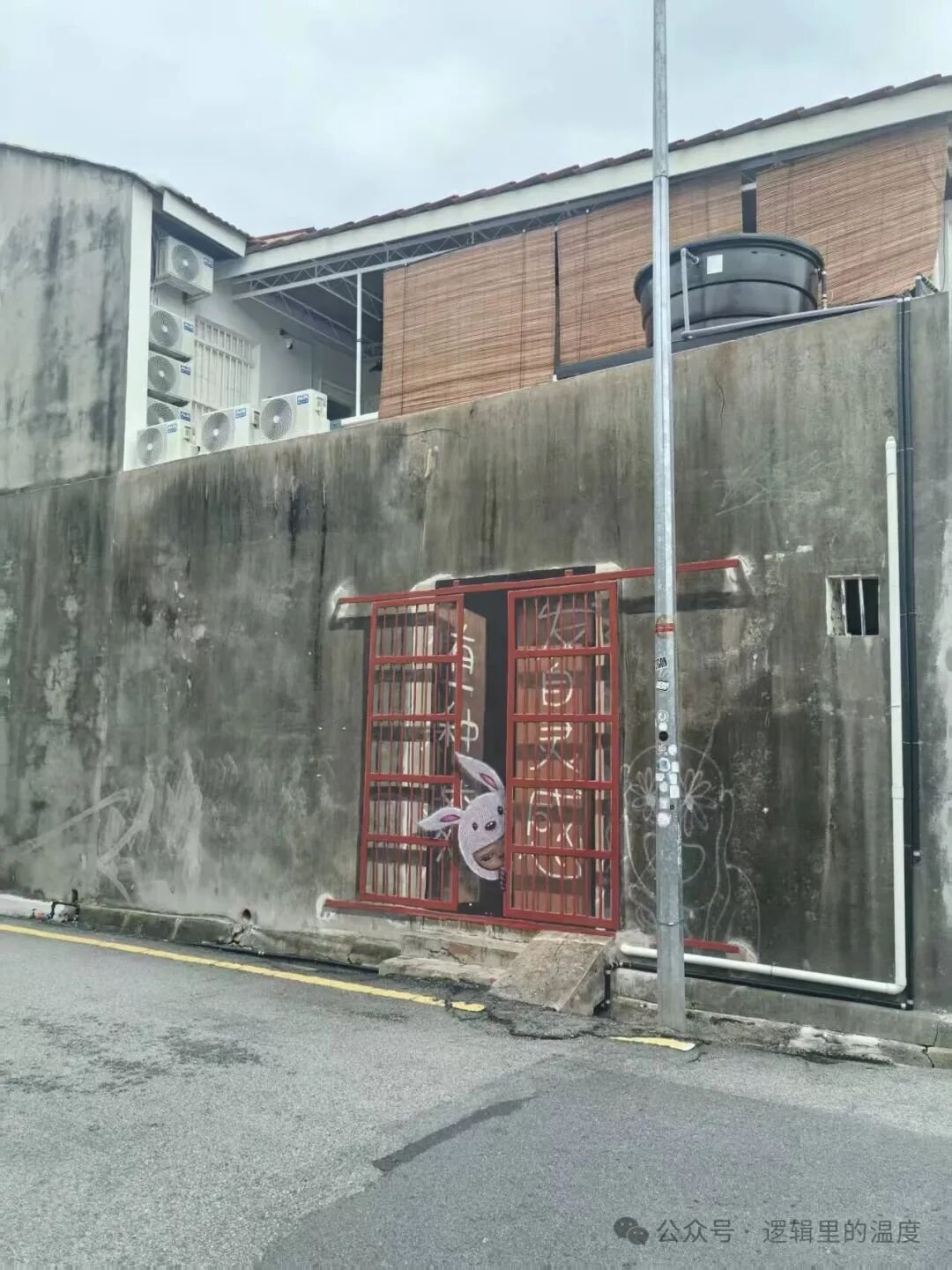
- Lebuh Armenian: the set of murals Lithuanian artist Ernest Zacharevic made for George Town in 2012 is scattered along this street and the lanes beside it. The pair of children on a bicycle and the brother and sister on a swing are the most photographed. They are painted straight onto the walls, free to see, but you queue behind whoever is posing — before 8am there is almost no one.
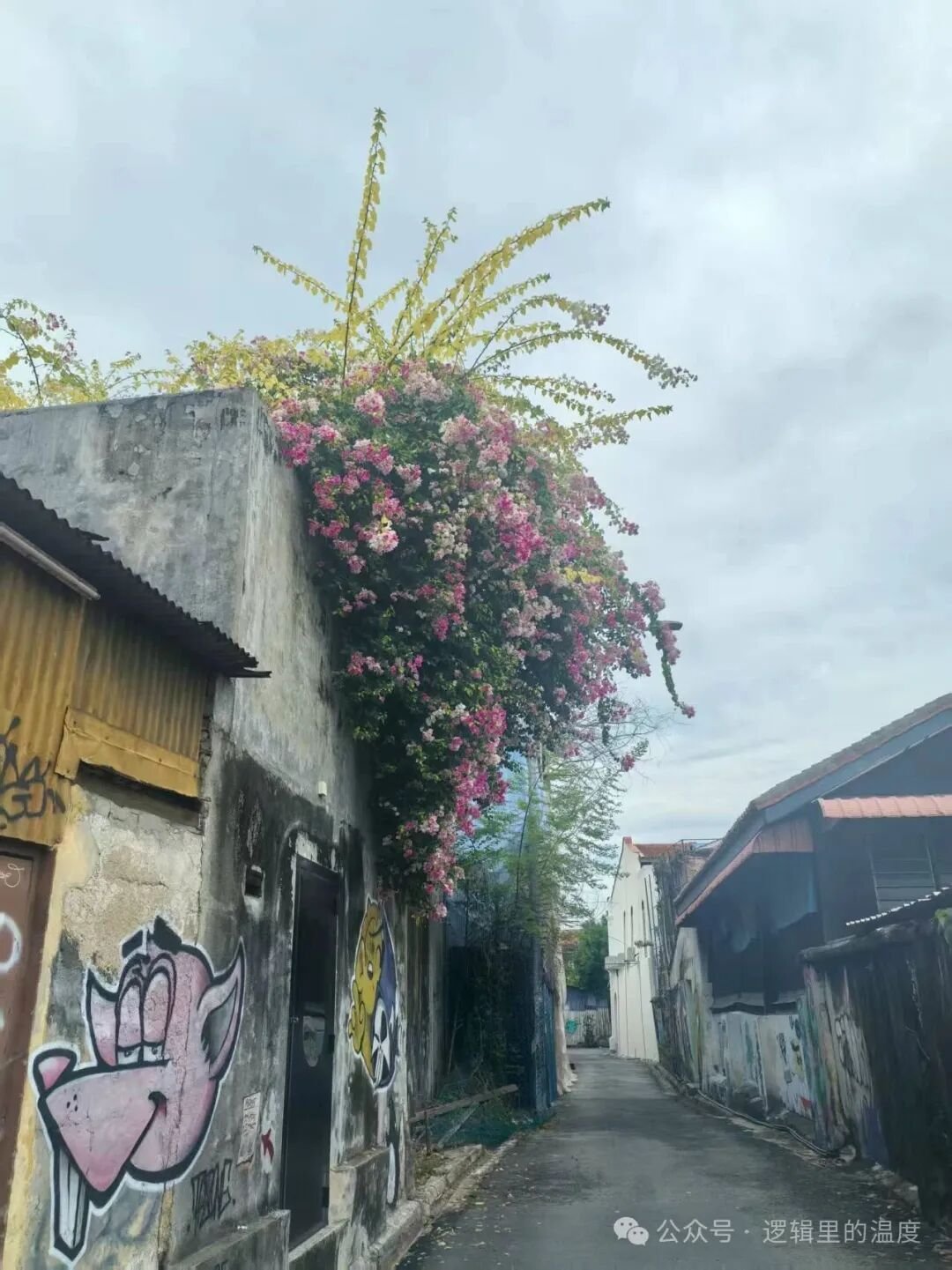
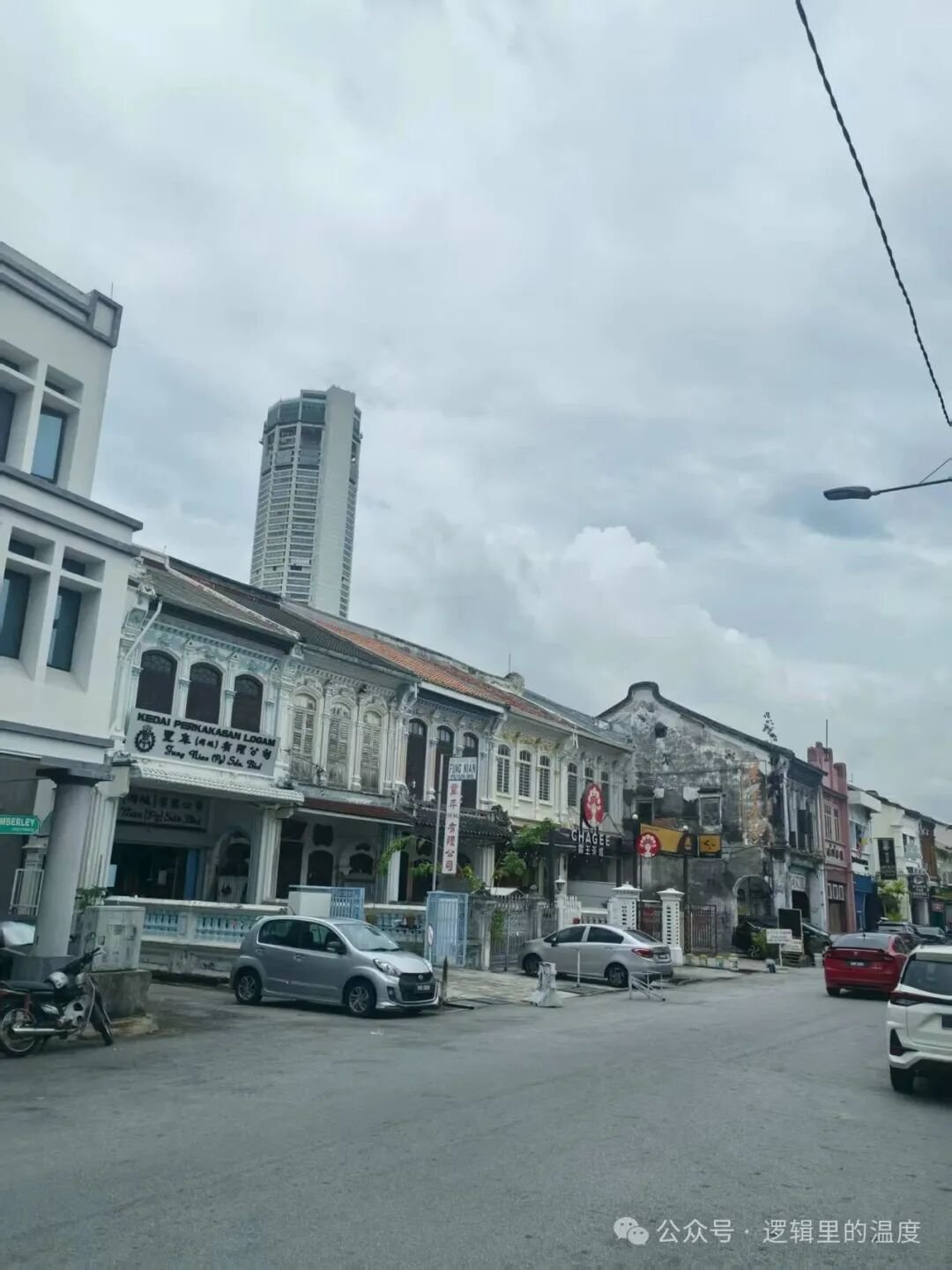
- Lebuh Cannon and Lebuh Ah Quee: the best-preserved run of shophouses in the old town. Look up at the first floor for timber shutters and carved screens, then down at the tiles of the five-foot way. Many of these houses are now cafes, guesthouses and small design shops.
- Lebuh Acheh and Lebuh Armenian's inland lanes: heading towards Weld Quay you pass several clan houses and association halls. Tourists thin out noticeably here, which makes it the right place to read the plaques and painted panels above the doors.
- Finishing on Lebuh Kimberley: loop back, sit down in a coffee shop, and close the morning with a cup of coffee and a piece of charcoal-toasted bread.
The whole stretch is roughly two to three kilometres on foot, with plenty of chances to duck into air conditioning. You do not have to finish it; the mix of old and new buildings is the content.
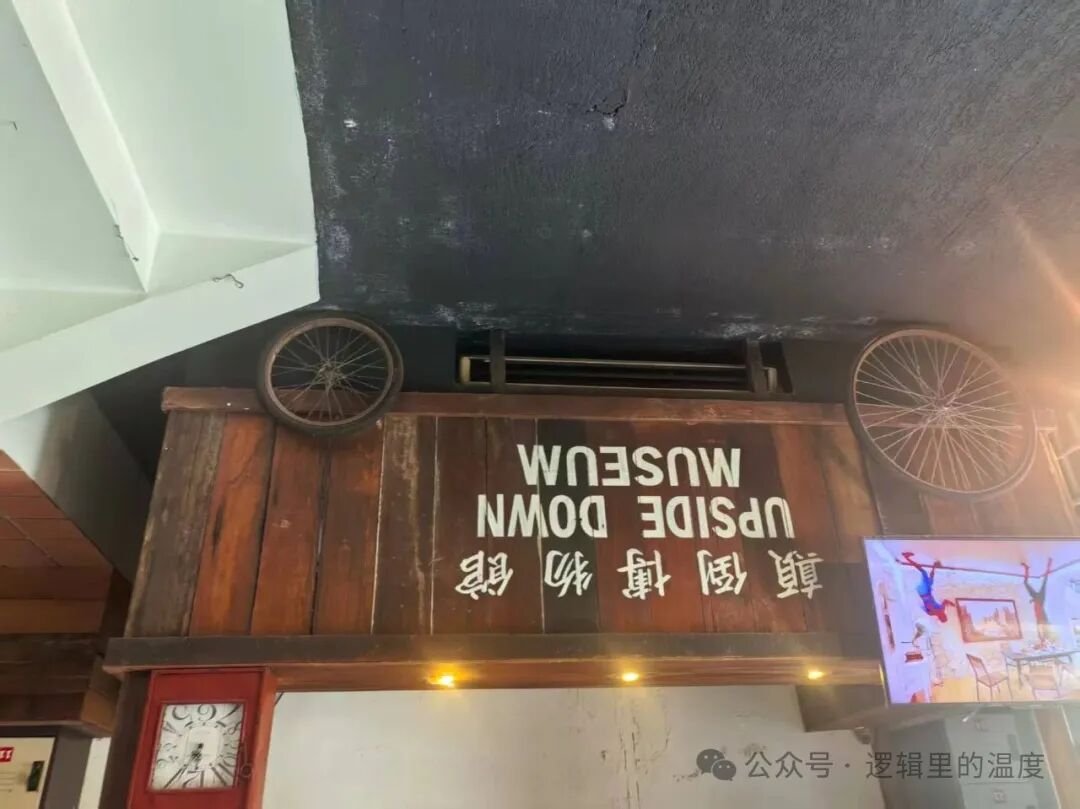
4. The full-day route: clan jetties, clan halls and the waterfront at dusk
With a full day, walk the short route above in the morning, rest through the middle of the day, then add this in the afternoon.
- Clan Jetties: the timber settlements on stilts along Weld Quay, originally divided by surname. Several survive, including Chew, Lim, Tan, Yeoh and Lee jetties plus the mixed-surname jetty. The busiest and easiest to find is Chew Jetty, with a temple at the entrance and small shops and cold drinks along the boardwalk. People still live here. Signs ask visitors to keep quiet; walking softly and not pointing a lens into someone's front room is basic courtesy.
- Peranakan and Straits Chinese culture: a handful of heritage houses and museums are open to the public and show, in one go, how these families lived, what furniture they used and what they ate. Entry is currently around RM25, the air conditioning is strong, and it makes a perfect midday refuge (check the current price on site).
- Clan halls and temples: the clan temple architecture here — wood carving, stone carving and porcelain shard work along the roof ridge — is remarkable, and entry is usually around RM10. Dress a little conservatively for these places; covering shoulders and knees is the safest rule, as covered in Dress Code in Malaysia.
- The waterfront at dusk: come back to Weld Quay or move north to the seafront in the evening, watch the boats, catch the breeze and wait for the lights. There is nothing you must do here, and it is often the best hour of the day.
Doing this as a same-day return from Kuala Lumpur is very tight. The realistic version is to arrive the night before, stay near the old town, and start at the murals first thing; see Kuala Lumpur to Penang by Bus for the transport side.
5. What to eat: follow the hawker centre clock
Eating in George Town is not about finding one restaurant. It is about following the opening hours of different hawker centres. The same stall serves two entirely different menus in the morning and the evening.
| Place | Main hours | Character | Good for |
|---|---|---|---|
| Campbell Street area | Morning to early afternoon | Charcoal-toasted bread, half-boiled eggs, old-style coffee | Sitting down for a slow breakfast |
| Cecil Street Market | Morning to midday | Wet market plus cooked-food stalls, very local | Avoiding tourists and eating cheaply |
| New Lane hawker centre | From evening | Dense cluster of stalls, wide choice | Sampling many dishes in one dinner |
| Lebuh Kimberley area | Evening to late night | Sweet soups, noodle soups, braised duck | A supper to end a walk |
| Gurney Drive | Evening | Seafront, large, busy with visitors | Families, thanks to roomier seating |
The essentials: char kway teow, asam laksa, Hokkien prawn noodles, curry mee, rojak and cendol. On price, a plate of char kway teow runs about RM6-9 and a local coffee about RM2.5-4. Drinks and food are often paid separately — someone will come round asking for your table number, so remember where you sat. Cost of Living in Penang has a fuller breakdown of everyday food spending.
Local coffee shops have their own vocabulary: kopi is coffee with condensed milk, kopi-o has no milk, and teh tarik is pulled milk tea. If you get lost, point at the next table and say "same" — it usually works better than a long explanation. For more of these differences, see Malaysian English Words That Mean Something Different.


6. Walking it with children: halve the route, plan the breaks
- Halve the route: the half-day loop is plenty for a child. Forcing a full day usually means the last two hours are unhappy for everyone.
- Go indoors every 60-90 minutes: a museum, a cafe, a convenience store, a mall — what matters is air conditioning and somewhere to sit.
- Give them a job: "we are finding five murals today" works far better than "come along". Watching boats at the clan jetties and riding the free shuttle around the loop are the things children actually remember.
- Keep water and sunblock going: tropical sunburn often happens on cloudy days, and a hat suits a child better than an umbrella.
- Build the nap in: head back to your room from noon to 3pm, come out again at 4pm for the second stretch. You will end up covering more, not less.
7. Common mistakes and small tricks
- Walking at midday. Sunburn and heat exhaustion are the most common mishaps in the old town; keep outdoor time at the edges of the day.
- Assuming the murals are all together. They are spread across several streets and lanes. Pin them first or you will zigzag.
- Treating the clan jetties as pure sightseeing. People live there. Walk in quietly and do not block doorways.
- Dressing too casually. For clan halls, temples and mosques, covering shoulders and knees is safer.
- Carrying only big notes. Most hawker centres are cash-only, so keep small change handy.
- Choosing a public holiday. On long local weekends the old town fills with cars and people, and parking is painful. Check the dates in Malaysia Public Holidays first.
Put together, George Town is an easy place to pace: art on the walls in the morning, shade at midday, houses on the water in the afternoon, and a table to sit at in the evening. It does not ask you to walk fast. It asks you to walk at the right time.
Frequently asked questions
How long do you need to walk George Town's old town?
Half a day covers the murals and shophouse streets — about three to four hours and two to three kilometres. Add the clan jetties, clan halls and the waterfront at dusk and a full day is more comfortable. The key is avoiding the exposed stretch between 11am and 4pm.
Where are the murals, and do they cost anything?
They are scattered along Lebuh Armenian and the lanes around it, painted directly onto the walls, and free to visit. They are not on one street, so pin them on a map first or you will end up doubling back.
Are the clan jetties a sight or a neighbourhood?
Both. They are the timber stilt settlements along Weld Quay, originally divided by surname; Chew Jetty is the busiest and easiest to find. People still live there and signs ask for quiet. Walk softly and avoid photographing into people's homes.
Is this route realistic with small children?
Yes, but halve it and build in an indoor break every 60 to 90 minutes. The five-foot ways are not continuous, so a stroller means constant lifting; a carrier is easier under three. Napping back at your room at midday and returning at 4pm is the best rhythm.