
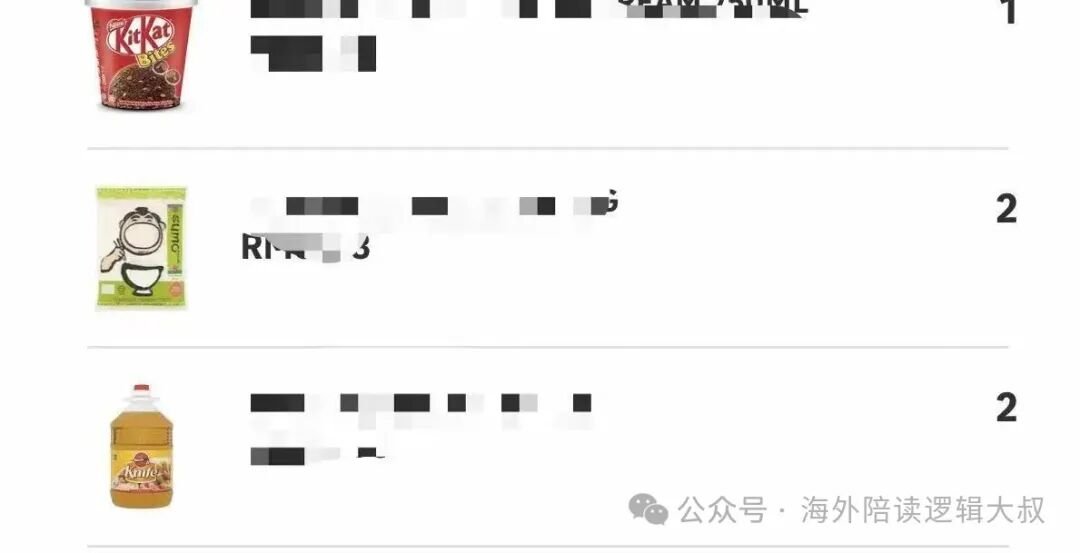
Bringing food into Malaysia means clearing three independent checks: quarantine, duty and import bans. The personal allowance is around RM400, yet staying under it does not guarantee entry. Meat and meat products are stopped most often, as are fresh eggs and liquid milk; two kilos of rice usually passes, a ten-kilo sack invites questions, and gum is banned.
1. Break the question into three layers: quarantine, duty, bans
Many travellers assume there is one checkpoint for food. There are at least three, and they are independent: clearing one does not mean you clear the others.
- Quarantine: whether the plants, animals or food themselves could carry disease. This is handled by MAQIS, the Malaysian Quarantine and Inspection Services agency, under the Quarantine and Inspection Services Act 2011 (Act 728), with the Department of Veterinary Services (DVS) involved for animals and animal products.
- Duty: whether tax is owed and whether you are inside the traveller allowance. This is the Royal Malaysian Customs Department (JKDM). The allowance for personal goods is currently around RM400, with separate limits for alcohol and tobacco.
- Bans: goods that simply may not be imported at all. For food, the best-known example is chewing gum (medicated gum aside), alongside snacks and supplements containing controlled substances.
These three layers are independent. A food item may sit far below the duty allowance and still not be allowed in, and a dried product with no quarantine issue may still be pulled aside if the quantity looks commercial. The exact scope and figures change, so check the latest official notices from MAQIS and JKDM before you travel.
2. Why food gets singled out
Countries screen food separately not out of fussiness but because food is the easiest vehicle for pathogens and pests.
- Animal disease: African swine fever, foot-and-mouth disease and avian influenza all travel in meat products. A sausage that sat at room temperature for days and looks perfectly fine can still carry a virus across a border.
- Plant pests: fresh fruit and soil-bearing plants can carry invisible eggs and fungal spores that damage local agriculture once they land.
- Food safety: homemade items of unknown origin and supplement-style snacks with vague labels may contain additives or drug ingredients not permitted locally.
This also explains a common puzzle: why a border officer confiscates one sausage from a traveller while container loads of imported pork come in. Legal imports run through an entirely different channel — import permits, quarantine approval, cold chain, certification and sampling. Carrying it yourself bypasses that whole system, so the default setting becomes "stop it first and look".
3. Meat and meat products: the highest-risk category
This is the riskiest of all. Sausages, jerky, cured pork, fresh and dried sausage, pork floss, braised meats, vacuum-packed cooked dishes, instant noodle packets with a meat sachet and mooncakes with meat filling all count as meat products.
- Raw and fresh meat: not worth considering. Do not bring it at any quantity.
- Cooked vacuum-packed or canned meat: still an animal product in principle, and import normally requires a permit. A small amount for personal use is a grey area, and the odds of being stopped are not low.
- Pork and beef: the most sensitive, for both disease and local religious and market-management reasons.
- Land borders check too: arriving by car or train from Thailand or Singapore, inspection is no lighter than at the airport. For the crossing itself, see Driving from Malaysia to Thailand.
The conclusion is blunt: if you can leave meat and meat products at home, leave them. All of it is available in Malaysian supermarkets and hawker centres, and none of it is worth a confiscation.
4. Eggs, milk and dairy
This category is also tied to animal disease, but the range within it is wide.
- Shell eggs and fresh liquid milk: the highest risk, classic animal products. Do not carry them.
- Milk powder, UHT milk and hard cheese: commercially processed and sealed, generally treated more leniently than fresh items, but still animal products in nature. Being straightforward about the purpose is the safer play.
- Infant formula: a small amount for personal use is usually fine. The key is keeping the original packaging, ingredient list and proof of purchase so you can show them if asked.
- Egg-based pastries: salted egg yolk, egg-yolk pastries, egg rolls and mooncakes with yolk can all be treated as egg products.
Families travelling with children can flip the approach: major pharmacy chains and large supermarkets in Malaysia stock common brands of formula, UHT milk and children's snacks. Buying after arrival saves both luggage space and explanations.
5. Rice, flour, grains and staples
This is the most misunderstood group. The staple itself is rarely a quarantine issue; what is complicated is trade control.
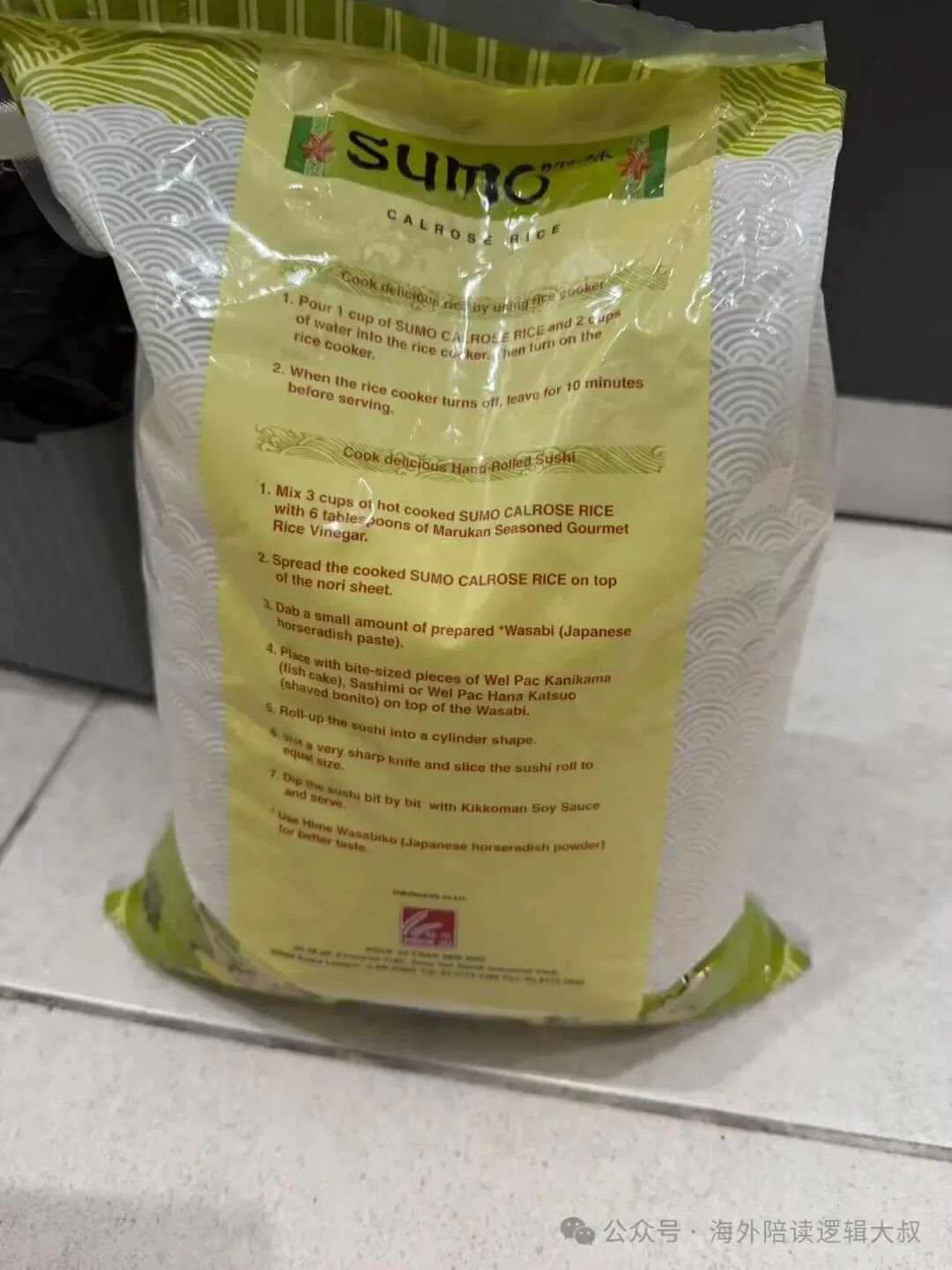
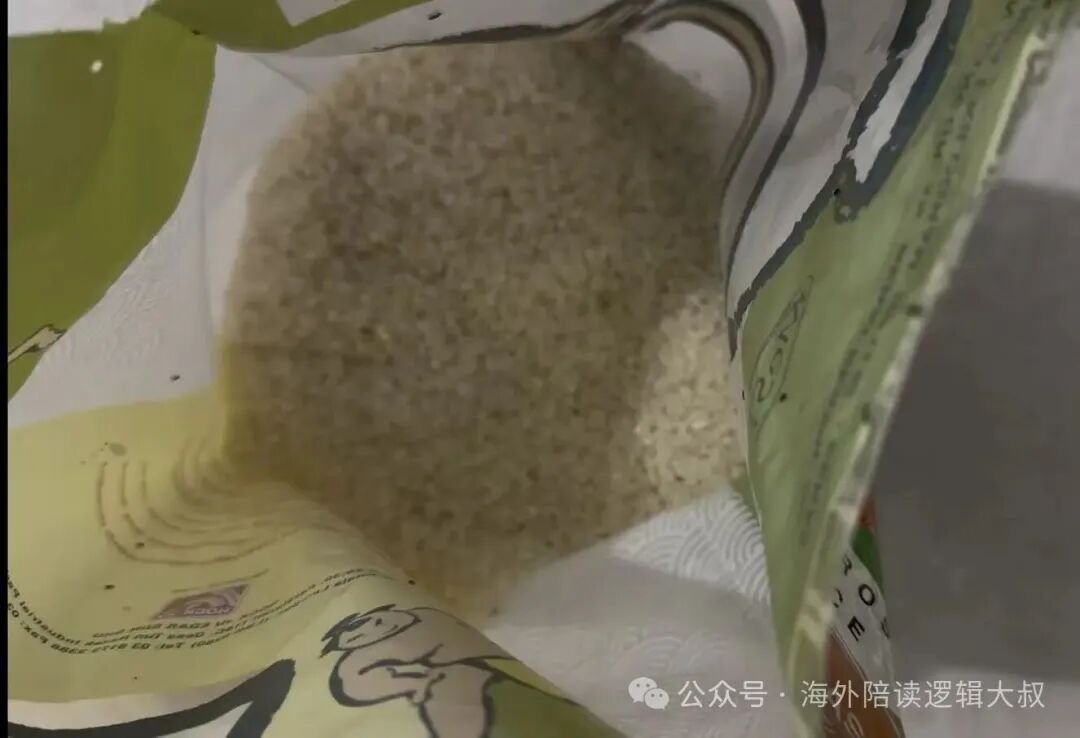
- Rice: rice imports into Malaysia are long managed through a designated national body, and commercial imports need a licence. A kilo or two for personal use usually passes without comment, but a ten-kilogram bag invites questions about purpose.
- Flour, dried noodles, instant noodles and biscuits: processed goods, generally no quarantine obstacle.
- Sachets with meat or egg: the exception. An instant noodle with a meat sauce packet may read to quarantine as a meat product.
In other words, the test is not "is it a staple" but "does it contain animal ingredients". Turning the packet over to read the ingredient list is much faster than explaining at the counter.
6. Fruit, vegetables and plants
Fresh produce is the focus of plant quarantine, though in practice travellers often find it gentler than expected.
- Fresh fruit: may be asked to show a phytosanitary certificate. A small amount for personal use, eaten on the spot, mostly goes through; whole boxes are far more likely to be stopped.
- Tropical fruit is not worth bringing: durian, mangosteen, rambutan and mango are cheap and fresh locally. There is no reason to carry them in.
- Seeds, soil-bearing plants and soil: essentially prohibited, and the highest risk of all.
- Dried fruit, jam, canned fruit and juice: processed, usually treated as ordinary food and far more relaxed.
Note that leaving and entering are two different rulebooks. Taking durian from Malaysia to another country is governed by the destination's quarantine requirements, not Malaysia's. For the fruit itself, see Thai vs Malaysian Durian.
7. Snacks, condiments and things that look harmless
This group is the most overlooked, because the packaging all looks legitimate.
- Sealed commercial snacks: crisps, chocolate, sweets and biscuits are generally fine as long as the ingredients include no meat or egg.
- Chewing gum: Malaysia controls imports of chewing gum (medicated gum aside). It is the classic "bring it and lose it" item.
- Self-heating hotpots and meat seasoning packets: judge them by meat-product standards. Being a "hotpot base" does not make it exempt.
- Poppy seeds and foods with controlled ingredients: a controlled category with high risk. Do not bring them in just because they are sold freely elsewhere.
- Alcohol-containing food: liqueur chocolates and alcohol-laden cakes count toward your alcohol limit, so add them into the total.
If a food item requires you to explain what it really is, it will probably attract a few extra questions. Intact packaging, a clear ingredient list, an unbroken shelf life and a personal-use quantity are the four features most likely to get you waved through.
8. What actually happens if you are caught
The process is usually undramatic: bags go through the X-ray, you are asked to step aside, a bag is opened, someone asks "what is this", and a quarantine or customs officer decides. The outcome varies enormously, and it hinges on whether you declared it.
- Declared but not permitted: normally confiscated and destroyed on the spot, usually without an extra fine. What you lose is time.
- Not declared and found: a completely different situation. It can mean a fine, and in serious cases legal liability. Actual penalties depend on the legislation and the authority's discretion.
- The hidden cost: beyond any fine, an inspection can make you miss your pickup or your connection. For families with children, that time cost is worth counting.
So the worst-value choice is burying the item at the bottom of the bag and gambling on the green lane. The real cost is not the packet of jerky; it is the moment it is pulled out. If you are unsure, use the red lane and declare it. That is the least painful route.
9. The safer approach: a checklist
Here is the whole thing compressed into one table to scan before you fly.
| Category | Small personal amount | Main risk | Safer approach |
|---|---|---|---|
| Meat and meat products | Not advised | Animal disease, permit required | Leave it; buy locally |
| Shell eggs and fresh milk | Not advised | As above; animal products | Do not bring |
| Milk powder, UHT milk, hard cheese | Usually fine | Still animal products in nature | Keep original packaging, personal quantity |
| Rice and staples | Generally fine | Rice imports are controlled | Stay within personal use; declare bulk bags |
| Fresh fruit and vegetables | Depends | Phytosanitary requirements | No whole boxes; no seeds or soil-bearing plants |
| Sealed packaged snacks | Generally fine | May contain meat or egg | Read the ingredient list |
| Chewing gum | No | Import prohibited or controlled | Leave it at home |
| Alcohol-containing food | Counts toward limits | Separate alcohol limits | Add it into your alcohol total |
One final emphasis: the exact scope of quarantine and duty, the allowance figures and the controlled list all change. What this article sets out are the stable principles, not the wording in force on any given day. Before you travel, go by the latest official notices from MAQIS, JKDM and Malaysia's agriculture and food security authorities. One sentence covers it: the more thoroughly processed, the more standard the packaging and the more the quantity looks personal, the smoother it goes. Anything animal-based, fresh or soil-bearing is best left behind.
Arrival itself is not complicated, but it rewards preparation. For the digital arrival card and the airport gates, see Malaysia Digital Arrival Card (MDAC) and Malaysia Autogate. And if you do end up explaining your bags on the spot, Airport English has phrases you can use directly.
Frequently asked questions
Can I bring snacks like sausages or jerky?
Generally not advised. Meat and meat products are a quarantine priority, and even a small personal amount can be confiscated and destroyed. Declaring it usually means confiscation only; not declaring it can mean a fine, so the least painful option is to leave it at home.
What about infant formula and UHT milk?
Sealed commercial packaging in a personal-use quantity is usually fine. Keep the original packaging, ingredient list and proof of purchase so you can show them if asked. Shell eggs and fresh liquid milk are the highest risk and not worth carrying; both are easy to buy after you land.
Can I take fruit from Malaysia to another country?
Leaving and entering are two different rulebooks. Taking fresh fruit out is governed by the destination's quarantine rules, which are often stricter than Malaysia's. Tropical fruit like durian and mangosteen is cheap and fresh locally, so check the destination's latest notice before you travel.
What happens if my food is found?
If you declare it and it is not permitted, it is normally confiscated and destroyed on the spot, usually without an extra fine. If you do not declare it and it is found, you may be fined and, in serious cases, face legal liability. Rules keep changing, so go by the latest official notices and legislation.